Creating Your Playground With Connect
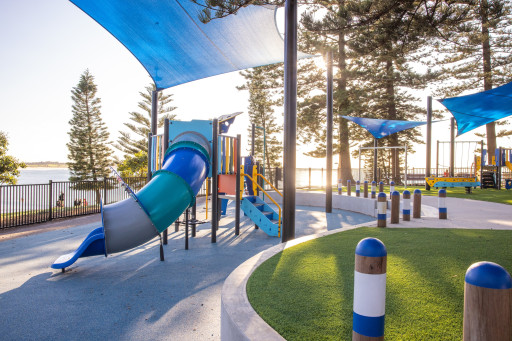
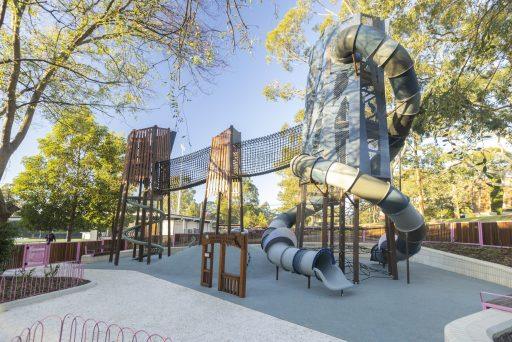
Connect brings multi play units, towers, themed play, swings, SkyRail and activity panels into one Australian-made system. These six playgrounds...
Good playground planning starts well before equipment selection. A clear playground plan gives schools, councils, developers and community organisations a practical way to define what the space needs to achieve, who it needs to serve and what the site can support.
The planning process also helps identify budget requirements, safety obligations, access needs and site constraints before they create problems later in the project. Taking the time to work through these decisions can reduce changes during design and give everyone involved a clearer understanding of the project from the outset.
The following steps cover the playground planning process from the first brief through to opening, maintenance and future evaluation.
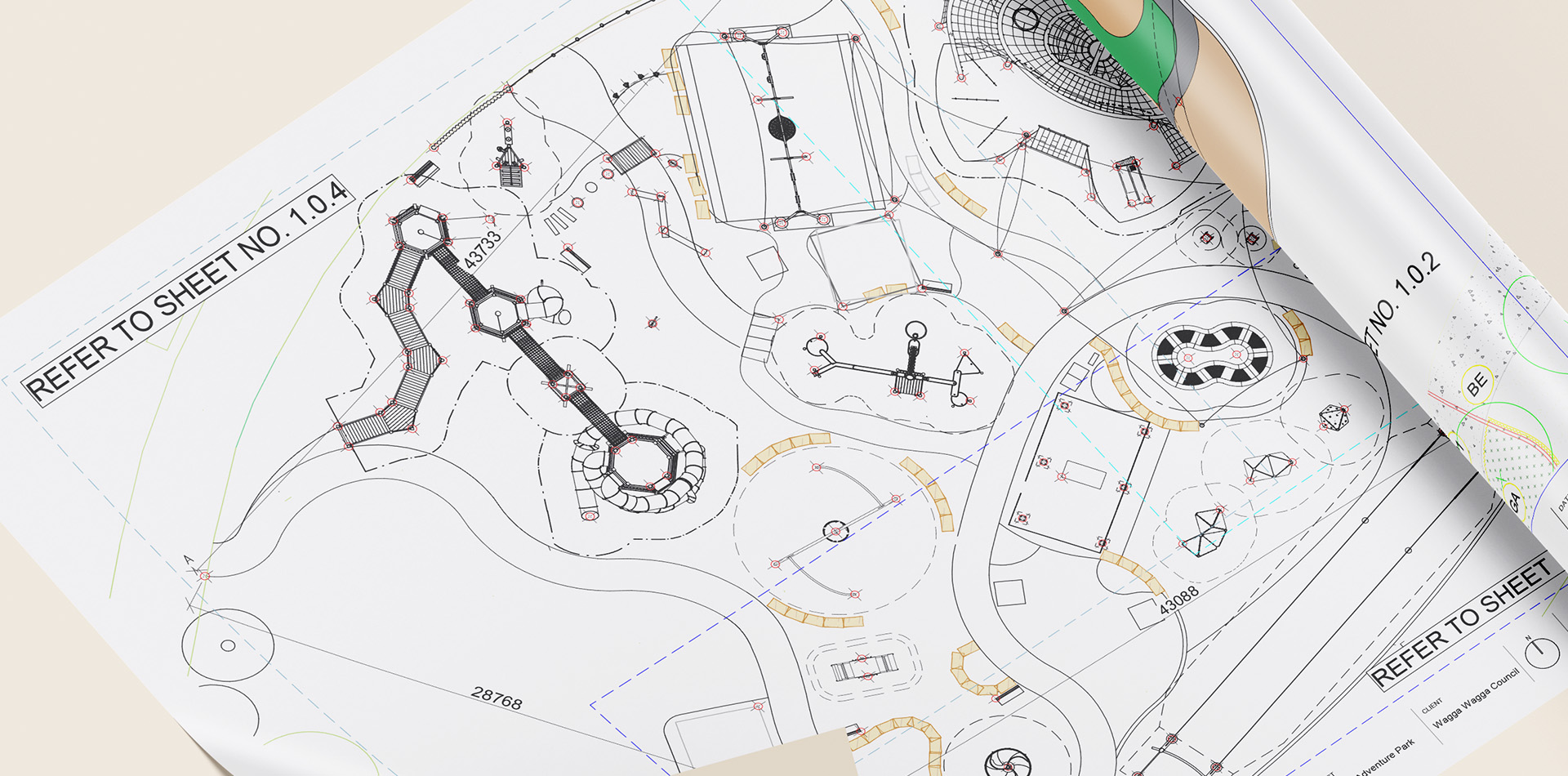
Use this quick checklist to map out the main stages of your playground plan.
1. Define the Vision and Objectives
Identify the Purpose of Your Playground Plan
Start by deciding what the playground needs to achieve.
A school may want to increase opportunities for active play during recess. A council may need a community play space that serves several age groups. A childcare centre may focus on sensory activities, early movement skills and imaginative play.
Your objectives will influence the equipment, layout, materials and level of challenge that make sense for the project.
Consider questions such as these.
Documenting these priorities early gives the project team a clear reference throughout the planning and design process.
Consider the Users
Identify the children and other community members who will use the space.
Age matters because younger children and older children need different levels of physical challenge, access and equipment scale. User numbers also matter. A busy public park has different capacity requirements from a smaller childcare centre.
Consider children of different abilities as part of this early planning rather than adding accessibility features later.
2. Assess the Playground Site
Choose the Location
The location should support safe access and suit the intended users.
Look at how children, carers and maintenance teams will approach the playground. Consider nearby roads, pathways, parking, amenities and surrounding recreation areas.
For larger public projects, the playground may also need to connect logically with seating, picnic areas, open lawn, sports facilities or other community infrastructure.
Evaluate Site Conditions
Review the physical conditions before developing the layout.
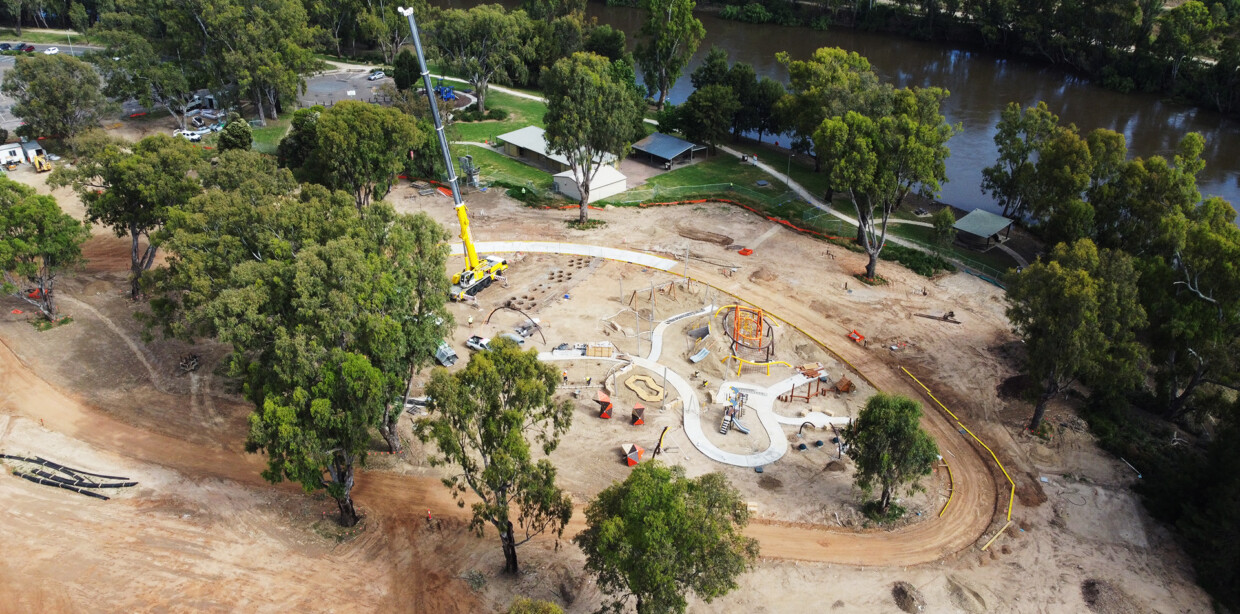
Important factors include terrain, drainage, existing vegetation, sun exposure, prevailing weather, underground services and structures already on the site. Slopes, trees and other existing features may influence equipment placement and circulation.
A strong site assessment can also identify useful opportunities. An existing slope could support an embankment slide. Mature trees may contribute natural shade. A large open section could support higher-capacity equipment or several activity zones.
3. Set the Budget for Your Playground Plan
Establish a Realistic Project Budget
Set the budget before equipment selection progresses too far.
Playground costs can extend beyond the equipment itself. Allow for design, site preparation, freight, surfacing, landscaping, installation where applicable, shade and ongoing maintenance.
A clear budget also helps the project team prioritise. You may decide to invest more heavily in a key play structure while using simpler freestanding elements elsewhere. Another project may benefit from a staged approach that allows additional equipment to be added later.
Moduplay’s guide to budgeting for your playground project explains the main cost areas to consider when setting the financial scope.
Explore Funding Options
Funding can come from several sources depending on the organisation and project.
Schools may use internal budgets, P&C or P&F fundraising and eligible grant programs. Community groups may seek grants, sponsorships or fundraising support. Councils may allocate capital works budgets or use applicable state and federal funding programs.
Reviewing options for funding your new playground equipment early can help determine the realistic project scope before design decisions become too advanced.
4. Develop the Playground Design
Work With an Experienced Playground Designer
A playground designer can turn the initial brief, site information and budget into a practical layout.
The designer should consider user movement, age groups, play activities, accessibility, supervision, circulation and the relationship between individual pieces of equipment.
Equipment should make sense as part of the overall space. A large climbing structure may need open circulation around it. Quieter sensory activities may work better away from fast-moving equipment.
A clear playground design guide can help project teams understand the decisions that shape layout, equipment selection and the overall use of the site.
Plan for Inclusivity and Accessibility
Think about how children with different abilities can enter the space, reach activities and participate alongside other users.
Inclusive playground planning involves more than physical access into the playground. Consider ground-level activities, sensory play, supportive equipment, transfer points, circulation space and opportunities for children to participate together.
The goal should be meaningful play participation across the site rather than concentrating accessible options in one isolated area.
Select the Equipment
Choose equipment according to the project objectives, primary age groups, site conditions and available space.
Consider how different elements work together. Climbing equipment can create physical challenge. Sensory activities can support quieter exploration. Slides, balance elements, towers, role-play structures and other equipment can add different forms of play within the same site.
Equipment selection should also account for relevant safety requirements and the long-term demands of a commercial environment.
5. Address Safety and Compliance
Understand the Relevant Safety Requirements
Safety requirements affect equipment, surfacing, spacing and the overall playground layout.
Project teams should understand the Australian standards for playgrounds that apply to the equipment and project. Reviewing these requirements during planning gives designers and specifiers an opportunity to address clearances, fall zones, surfacing and other safety considerations before the project reaches later stages.
Complete a Risk Assessment
Identify foreseeable hazards associated with the site and proposed equipment.
The assessment should consider factors such as access, falls, circulation, nearby hazards, equipment use and the interaction between different activities.
Challenge still has an important place in playground design. The aim is to manage hazards that children cannot reasonably recognise while allowing age-appropriate opportunities to climb, balance, move and test their abilities.
6. Gather Community Input and Feedback
Engage the People Who Will Use the Space
Community consultation can provide useful information that may not appear in the original project brief.
For a school playground, students and educators may identify activities that existing spaces lack. Council projects may benefit from input from local families, accessibility groups and nearby residents.
Ask focused questions instead of simply asking people what they want. Find out which activities receive the most use, which age groups need better provision and what prevents people from using the current space.
Plan Public Consultation Where Appropriate
Larger public playgrounds may require a broader consultation process.
Concept plans, online surveys, workshops and community information sessions can help stakeholders understand the proposal and give feedback before major decisions become difficult to change.
Keep the consultation focused on useful project decisions. Clear questions about access, play activities, age groups and site use can generate more actionable feedback than open-ended requests for suggestions.
7. Prepare for Implementation and Installation
Choose the Right Delivery Team
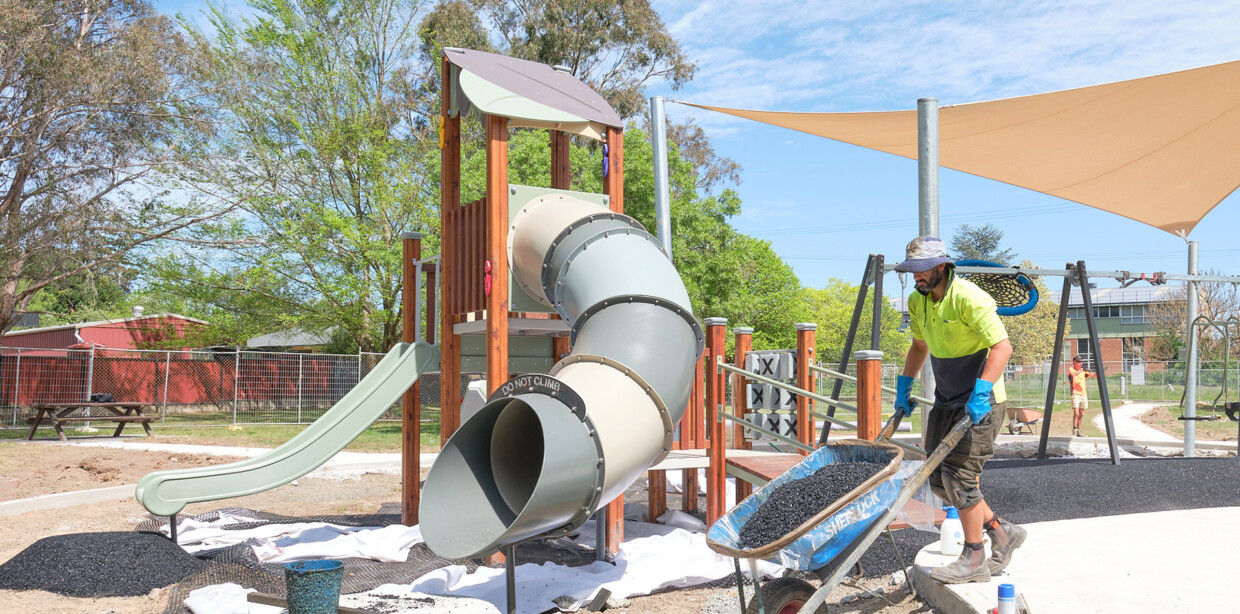
The people responsible for delivering the project should understand commercial playground equipment, the design documentation and the relevant safety requirements.
Confirm responsibilities before work begins. The team should know who will manage site preparation, equipment delivery, surfacing, landscaping and any other associated works.
Clear documentation also reduces the risk of different contractors working from conflicting information.
Check Progress Against the Approved Design
Review the project as work progresses.
Changes to equipment locations, levels, surfacing or surrounding features can affect safety clearances and the way children move through the playground. Any proposed adjustment should go through the appropriate project team before work continues.
Keeping drawings, product information and approvals organised makes this process easier.
8. Complete the Safety Inspection and Sign-Off
Arrange the Required Inspection
Once installation finishes, arrange the appropriate playground inspection before opening the space.
An independent inspection can check the completed playground against the applicable requirements and identify issues that need attention before public use.
Allow time for this process in the project schedule. Treating inspection as a planned project stage prevents the opening date from depending on last-minute checks.
Keep Compliance Documentation
Store drawings, certificates, inspection reports, maintenance instructions and other relevant project records together.
These documents provide a useful reference when equipment needs maintenance, replacement components or future modifications.
They can also help asset managers understand the original equipment specifications several years after completion.
9. Create an Ongoing Maintenance Plan
Develop a Maintenance Schedule
Playground planning should account for the full working life of the equipment.
Create a schedule for routine visual checks, operational inspections and more detailed periodic inspections as required. The maintenance program should also cover surfacing, loose components, wear, corrosion, damage and surrounding site conditions.
Recording inspections and repairs creates a clear maintenance history for the playground.
Make Responsibilities Clear
Assign responsibility for inspections, reporting and repairs.
Staff or contractors responsible for maintenance should understand what they need to check and how to report problems. Clear processes help reduce the chance that minor damage remains unnoticed until it affects equipment use.
10. Plan the Opening and Review the Playground
Plan a Useful Launch Event
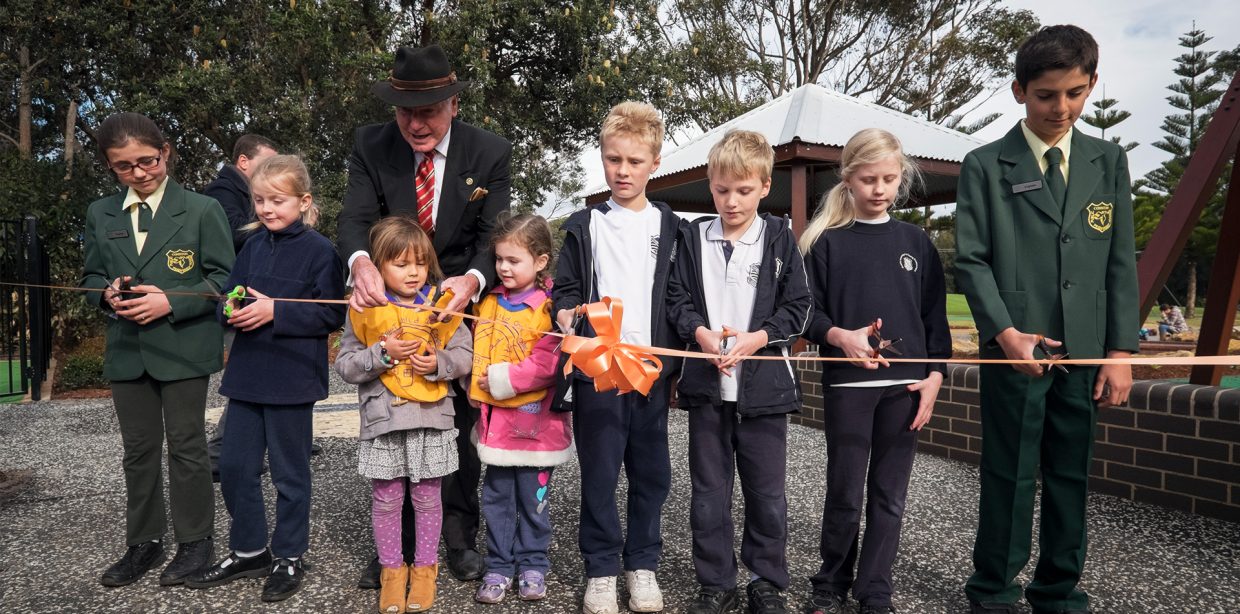
An opening event gives schools, councils and community organisations an opportunity to introduce the new playground and acknowledge the people who supported the project.
Use the event to help people understand the space as well. For example, a school can organise supervised activity stations that introduce students to different play areas. A council can use signage or a short community session to explain inclusive features and the intended age ranges across the site.
A launch can also give the project team an early opportunity to observe how people naturally move through the playground.
Monitor and Evaluate How the Playground Performs
Continue reviewing the space after opening.
Look at which areas attract the most activity, where congestion occurs and whether intended age groups use the equipment as expected. Gather practical feedback from educators, maintenance teams, carers or community users where appropriate.
For example, if one section regularly becomes crowded during school breaks, the school can review supervision arrangements or consider additional activities during a future upgrade.
Evaluation gives organisations useful information for maintenance planning and future playground projects.
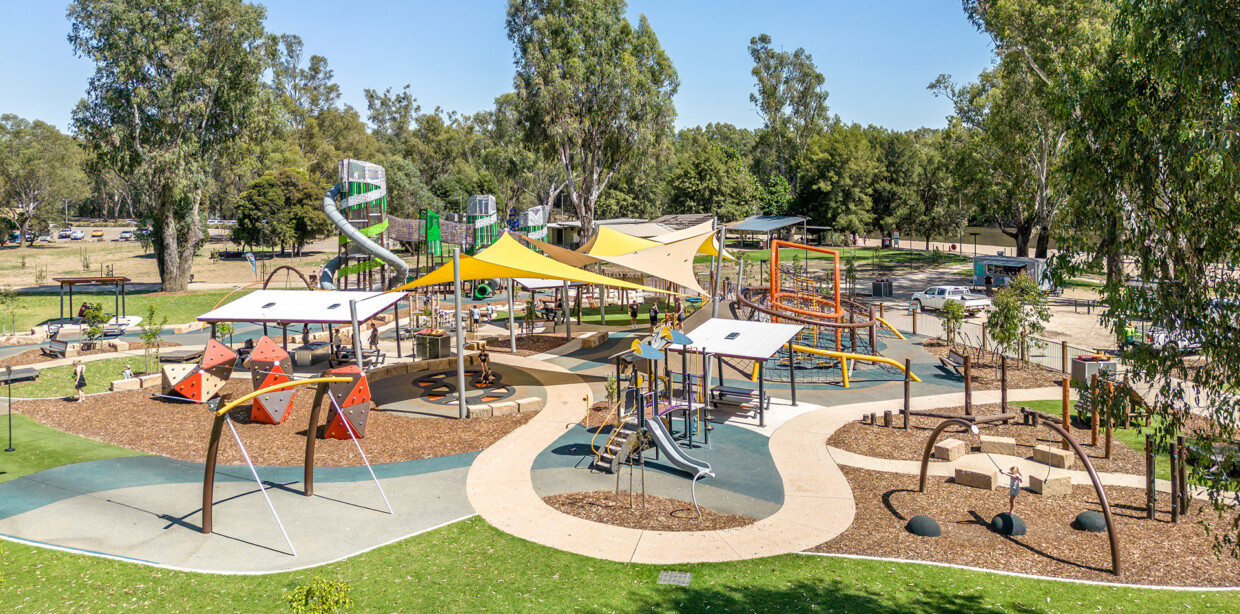
A successful playground plan connects the project purpose, site, users, budget, design and long-term management before major commitments begin. Strong playground planning also gives designers, project managers and decision-makers a shared reference as the project progresses.
Once the project requirements and site priorities are clear, budget and funding usually become the next major decisions. Reviewing the likely project costs alongside available funding sources can help determine what can proceed now and whether the playground should develop through one project or several planned stages.
Get design inspiration, business tips and new product alerts straight to your inbox with our Moduplay Newsletter, the Playground Press once a month.
Just Launched

The world of Moduplay has just been unlocked. One login across the Moduplay Group, helping you find what you need faster than ever.
 One login across our websites
Pricing on the Moduplay and Kaebel Leisure websites
Resource downloads
Build your own designs on Playfigurator
More coming soon!
Approval criteria applies. UrbanFiT & Playground Parts SSO experience launching soon.
Before You Continue
Register for a Moduplay account to see pricing on 500+ Australian Made products, and build your quote in seconds.
Pricing on 500+ Australian Made products
One login for the Moduplay Group websites
Build your own designs on Playfigurator

Enter your email to sign in or create an account.