
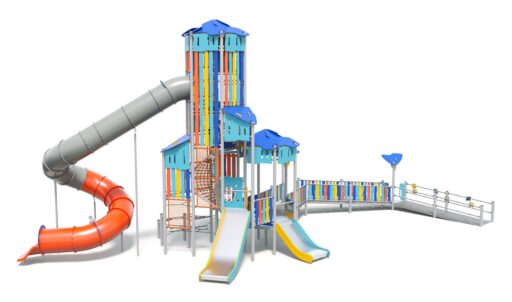
- Price:
- Login to view pricing.
- Space Required:
- 16.1m x 9.3m
- Unit Dimensions (WxH):
- 10700 x 7700
Queenstown
TO-1113
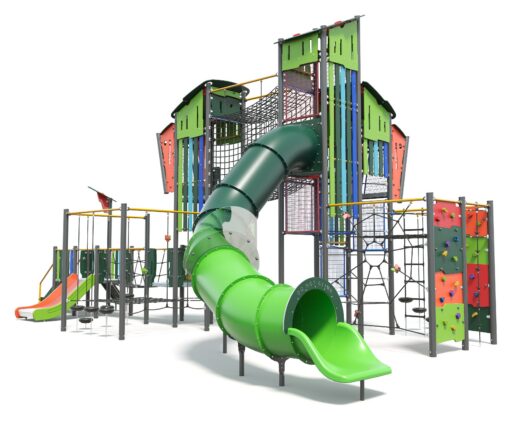
- Price:
- Login to view pricing.
- Space Required:
- 16.8m x 10.4m
- Unit Dimensions (WxH):
- 7800 x 6000
Telluride
TO-1111
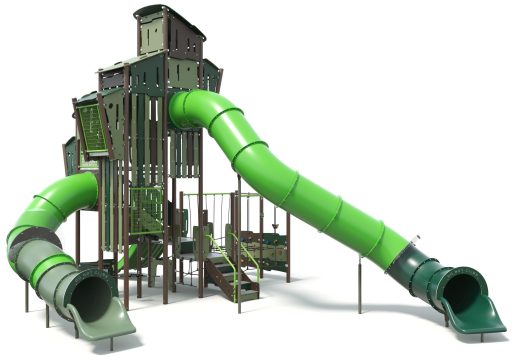
- Price:
- Login to view pricing.
- Space Required:
- 15.0m x 10.3m
- Unit Dimensions (WxH):
- 7500 x 6600
Innsbruck
TO-1101
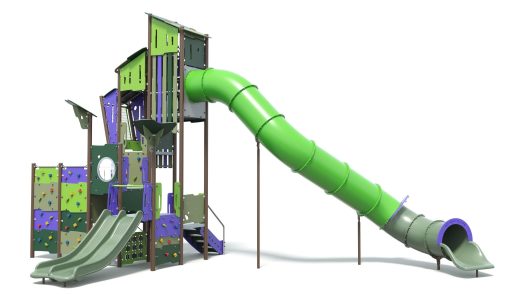
- Price:
- Login to view pricing.
- Space Required:
- 9.1m x 14.6m
- Unit Dimensions (WxH):
- 6200 x 10700
Aspen
TO-1102
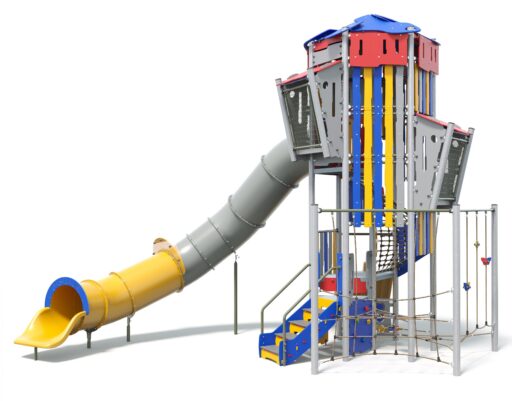
- Price:
- Login to view pricing.
- Space Required:
- 8.6m x 11.0m
- Unit Dimensions (WxH):
- 7500 x 5700
Bogota
TO-1103
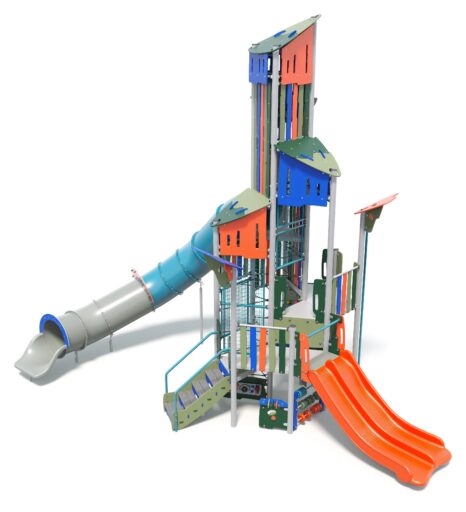
- Price:
- Login to view pricing.
- Space Required:
- 10.7m x 10.3m
- Unit Dimensions (WxH):
- 6900 x 7000
Wanaka
TO-1104
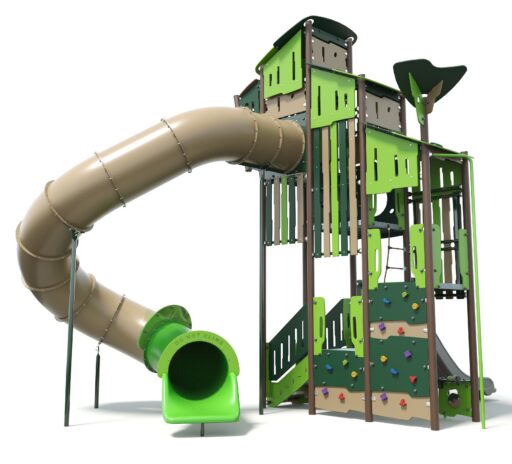
- Price:
- Login to view pricing.
- Space Required:
- 9.8m x 7.1m
- Unit Dimensions (WxH):
- 6900 x 6000
Cusco
TO-1105
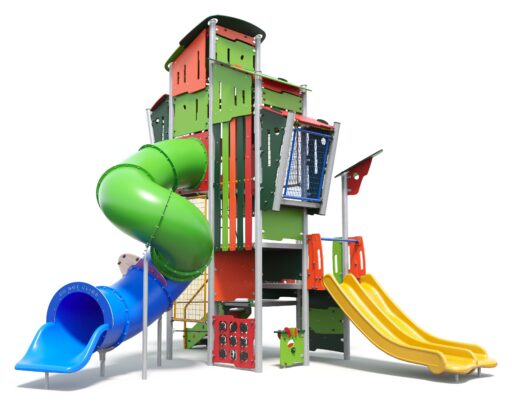
- Price:
- Login to view pricing.
- Space Required:
- 9.1m x 8.5m
- Unit Dimensions (WxH):
- 5500 x 5400
Banff
TO-1106
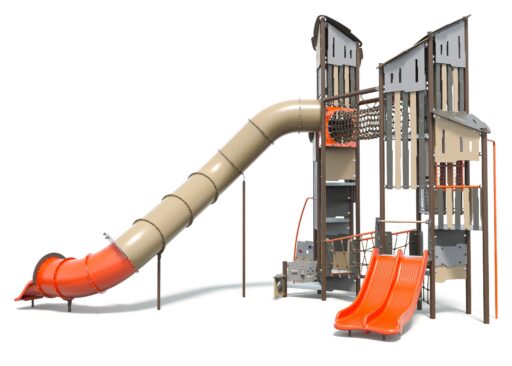
- Price:
- Login to view pricing.
- Space Required:
- 10.3m x 11.1m
- Unit Dimensions (WxH):
- 6600 x 7600
Cortina
TO-1108
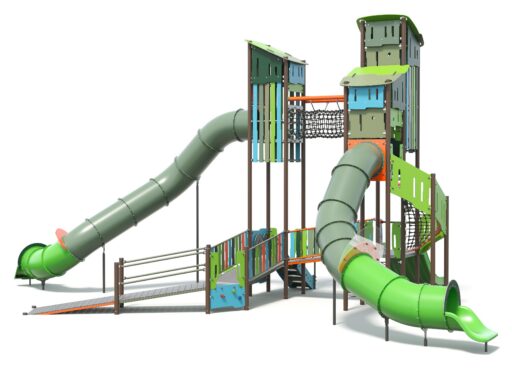
- Price:
- Login to view pricing.
- Space Required:
- 17.7m x 11.7m
- Unit Dimensions (WxH):
- 8400 x 6700
Cabramurra
TO-1109
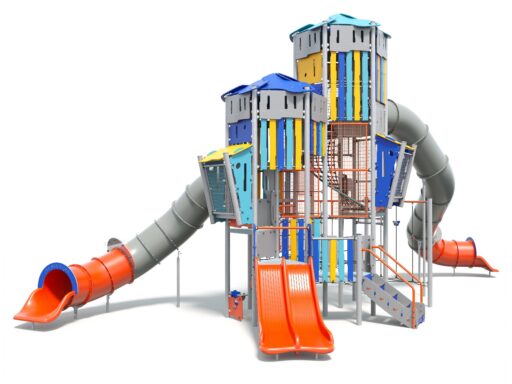
- Price:
- Login to view pricing.
- Space Required:
- 15.7m x 11.0m
- Unit Dimensions (WxH):
- 7600 x 6500
Porepunkah
TO-1110
Park Towers & Playground Towers
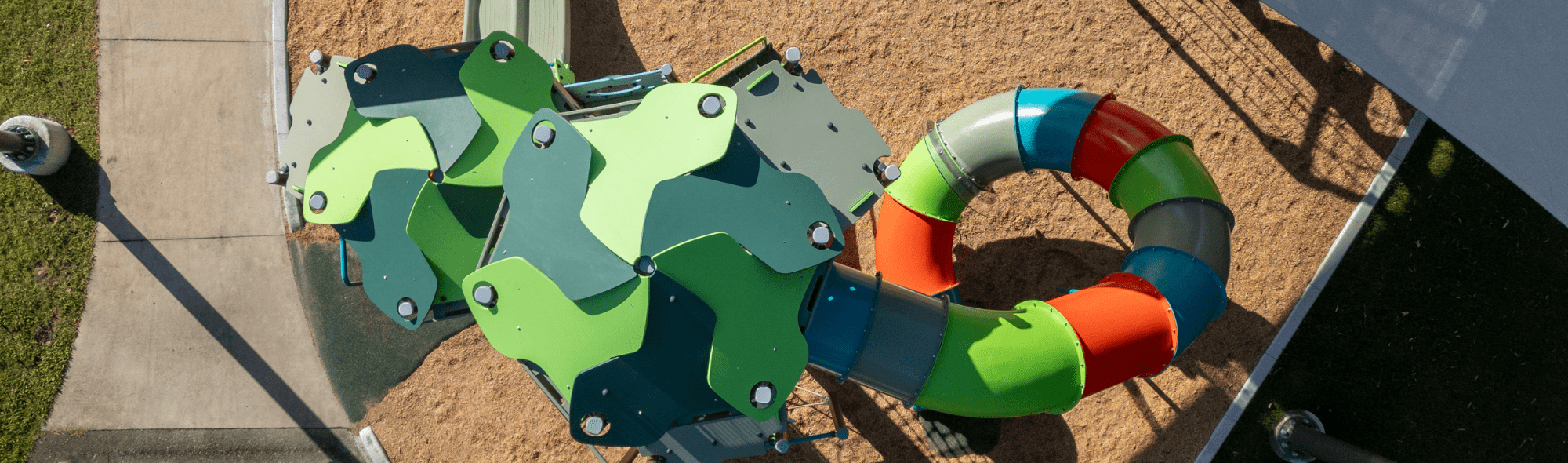
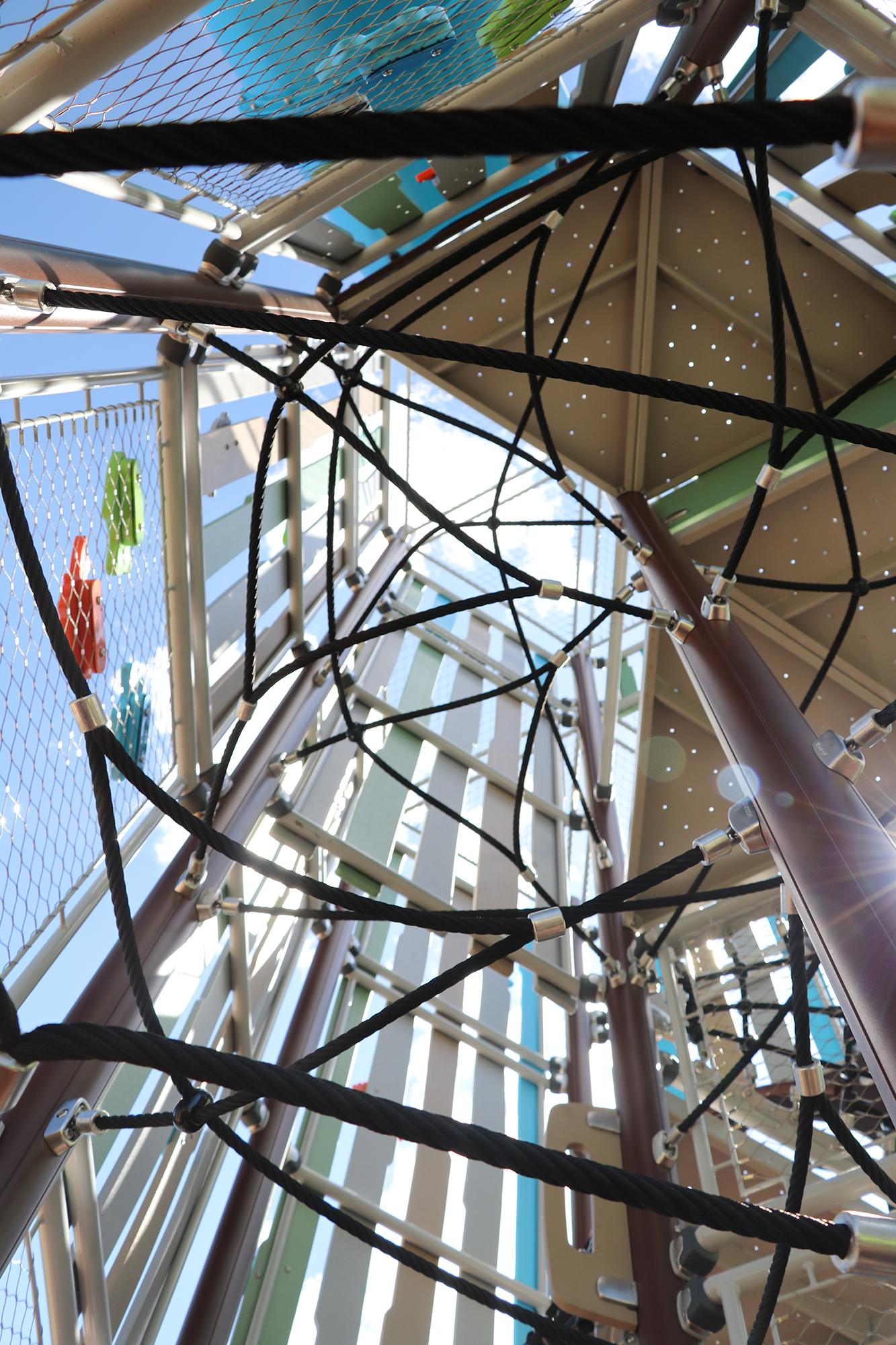
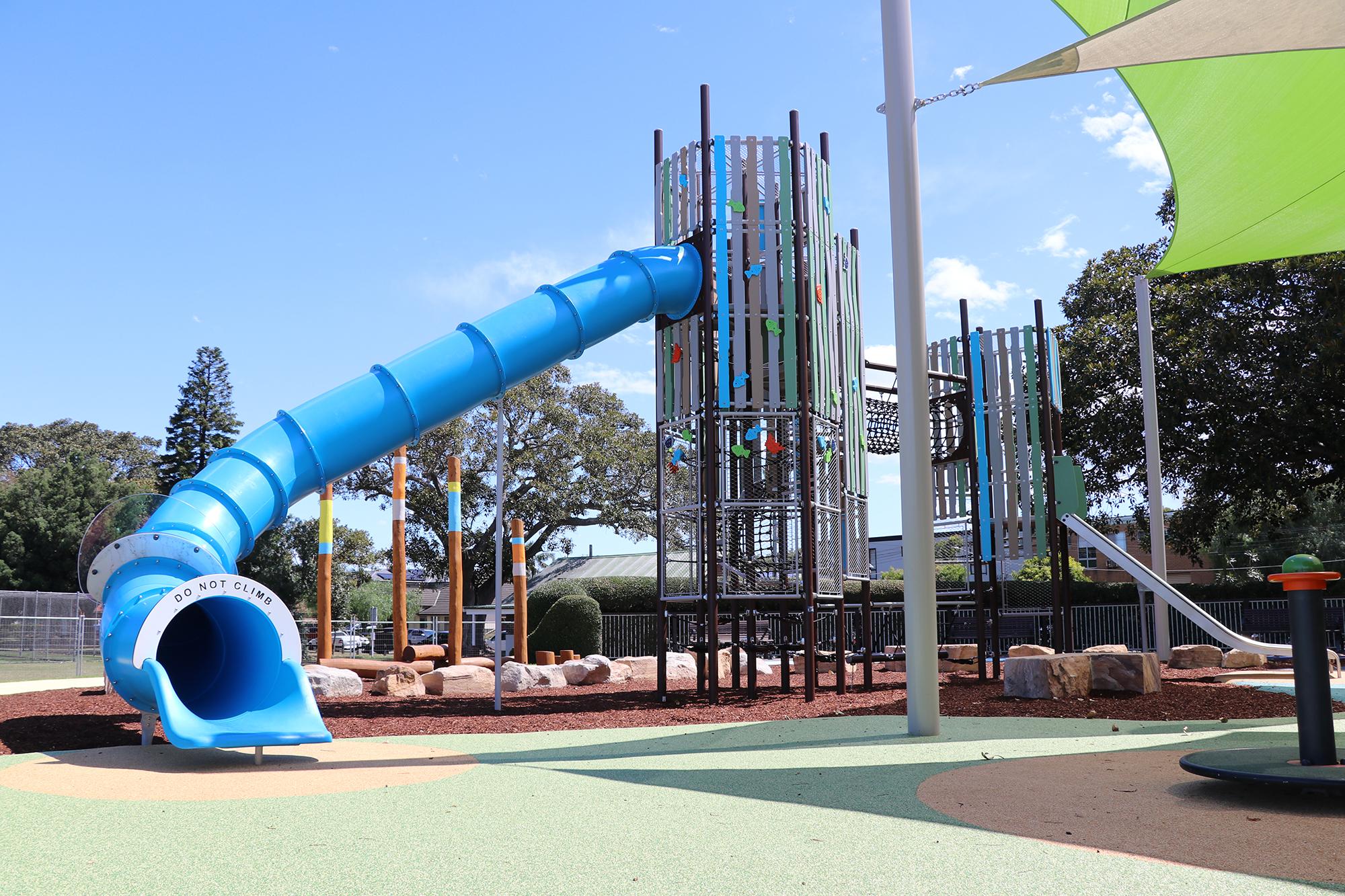
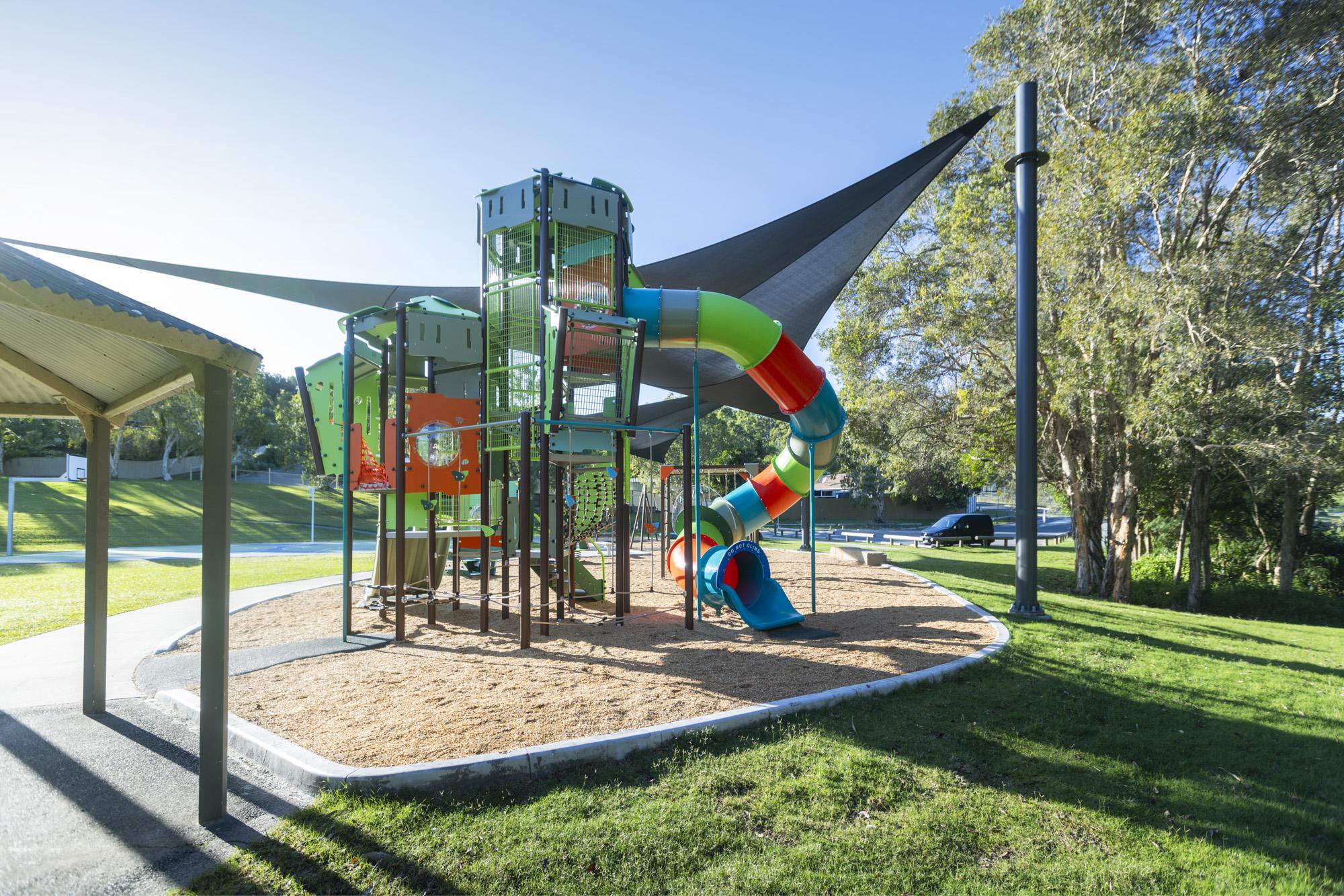
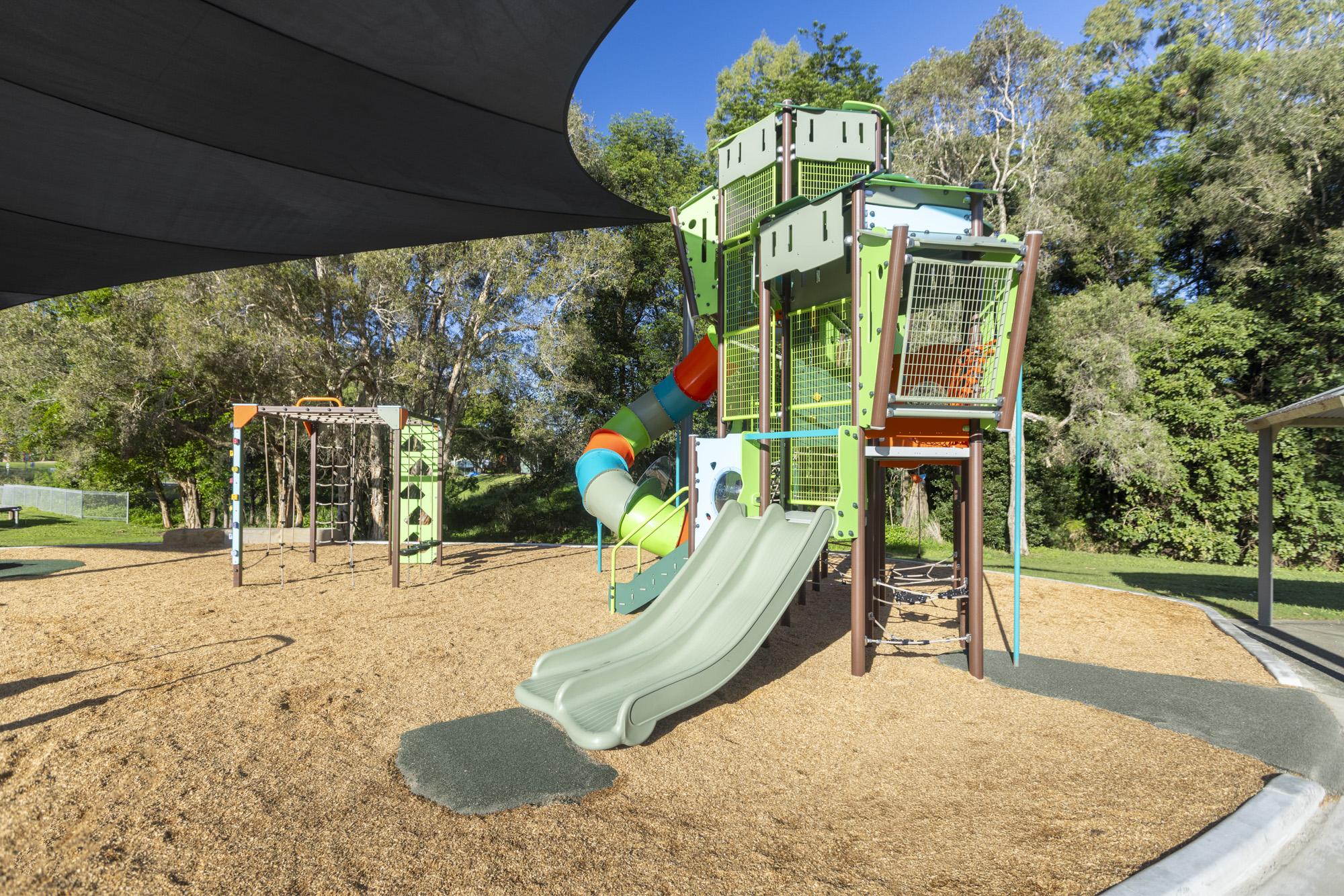
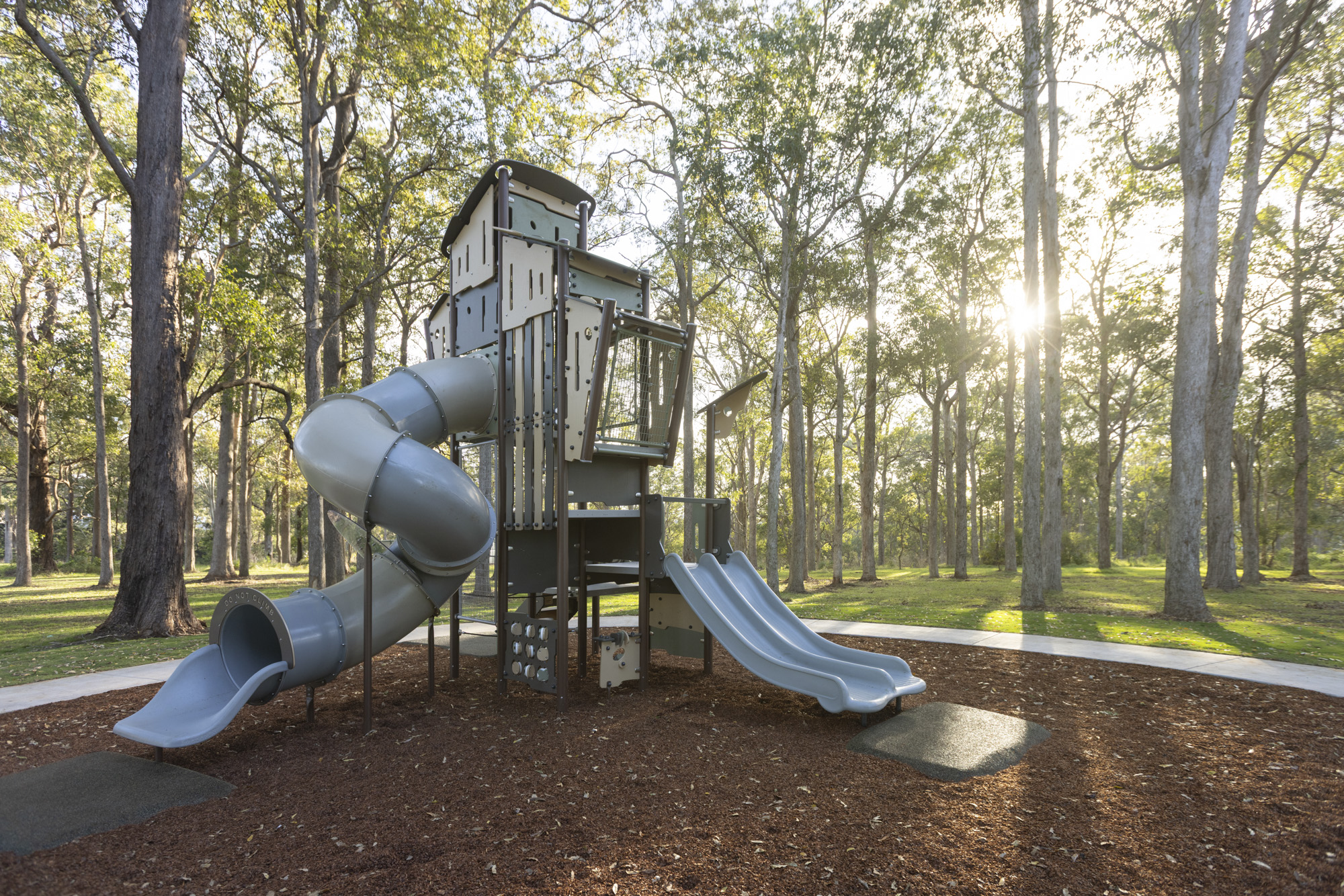
Moduplay park towers now form part of the Connect system, creating structured vertical play within a coordinated modular framework. These playground towers link platforms, climbers, bridges, and slides through consistent geometry that supports expansion and clear circulation across the site.
A play tower introduces height and progression into a playground. Children climb through defined access points, transition across elevated decks, and descend through integrated slides. Raised platforms create observation points that encourage interaction while maintaining clear sightlines for supervision.
Connect playground castle towers and multi-level configurations support role-based play through lookout decks, enclosed panels, and varied ascent options. Designers configure tower height and access routes according to user age and project intent, ensuring the structure supports daily use patterns rather than acting as a decorative feature.
These park towers appear in projects delivered as part of school playground equipment programs, early learning environments shaped through childcare playground equipment planning, and public open spaces developed within council playground equipment projects.
Connect Playground Towers Within a Broader Play System
The Connect range positions playground towers as central vertical elements within an expandable system. Designers establish a primary play tower, then extend outward using linked decks, climbing elements, and ground-level activities.
This modular approach allows staged growth. A site can begin with a single tower and add further modules later while maintaining structural consistency. Circulation remains clear because platform spacing and connection points are coordinated.
Connect the playground castle towers to the surrounding play elements for a smooth integration. Slides align with platform heights to support repeated ascent and descent cycles. Designers often position towers near activity zones that include movement-based elements such as swings, additional slides, rotational activities selected from the Spinpoint collection, and ground-level motion pieces from the spring play range. When these components sit within logical proximity, movement distributes across the footprint rather than concentrating at a single point.
Types of Park Towers in the Connect Range
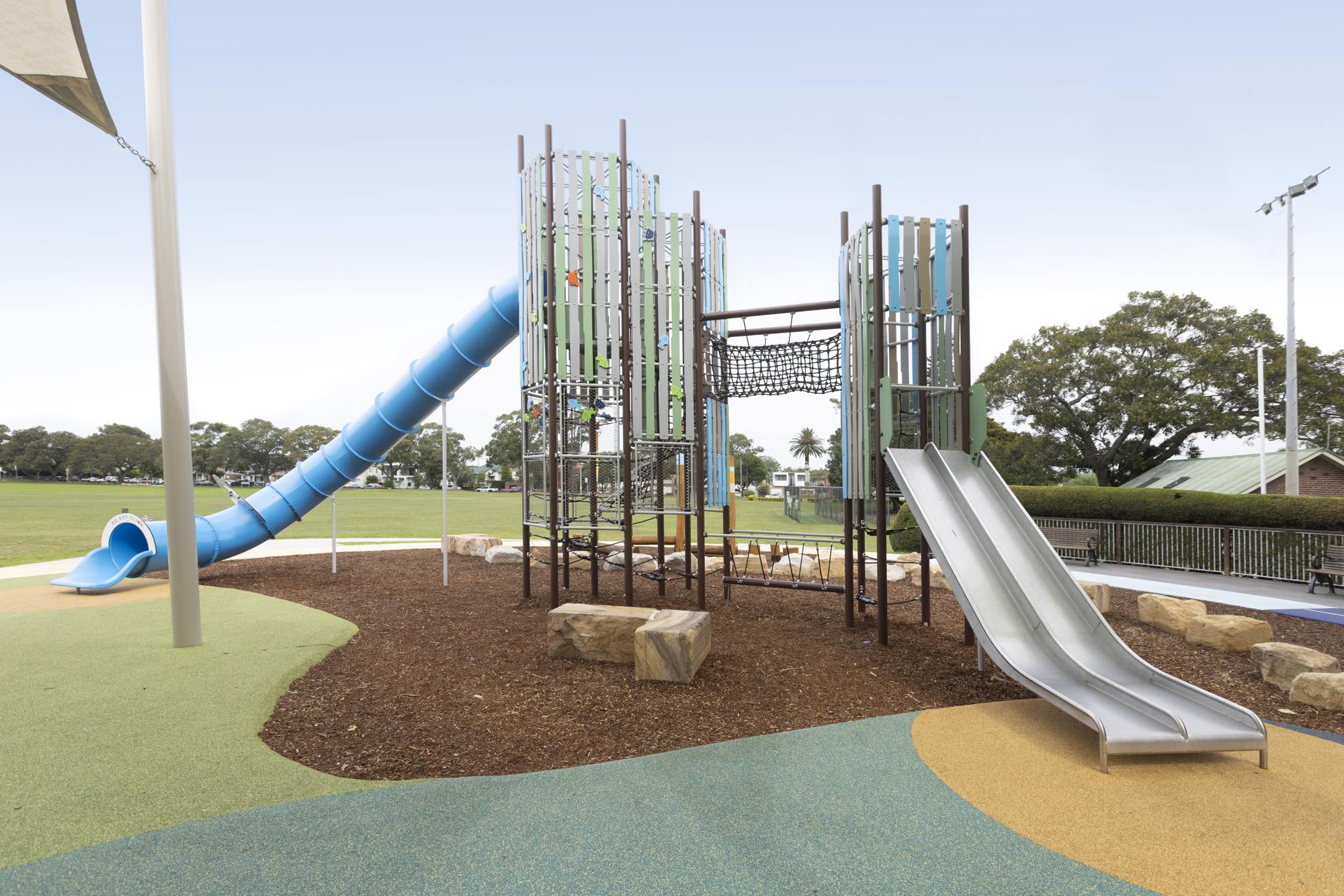
Multi-Level Playground Towers
Multi-level playground towers encourage upward progression through connected platforms and varied climbing paths. Children select routes based on confidence and coordination. Bridges and transition decks maintain continuous movement between levels.
Playground Castle Towers
Playground castle towers introduce a strong vertical presence through lookout platforms and enclosed sections. These formats support imaginative group interaction while maintaining practical circulation and supervision.
Observation and Lookout Play Towers
Observation style play towers prioritise height and visibility. Designers position these towers within larger layouts to create pause points that complement ground level activity zones.
Tower and Slide Combinations
Integrated tower-and-slide configurations connect vertical access with controlled descent. Platform heights correspond with slide entry points to maintain predictable transitions and repeated use.
Designing Park Towers for Different Settings
Park towers require careful planning to account for fall zones, user flow, and adjacent equipment. Connect structures follow consistent spacing and platform logic, which supports accurate layout planning.
In school playground equipment environments, designers often position taller playground towers centrally to manage student circulation during peak break periods. In childcare playground equipment settings, lower platform heights and shorter transitions align with early years development. Council playground equipment projects frequently incorporate multi-level park towers that accommodate varied age groups within defined activity zones.
Project teams review footprint, supervision patterns, and expected user numbers before selecting a specific play tower configuration. Taller structures typically suit older children, while compact towers align with younger age groups.
Materials and Long-Term Performance
Connect park towers use structural components suited to high-traffic outdoor conditions. Steel framing, reinforced platforms, and durable finishes support consistent performance across Australian climates.
In coastal or highly exposed regions, designers consider additional protective measures to manage corrosion and surface wear. Early specification of materials influences lifecycle cost and long-term maintenance planning.
Selecting the Right Playground Tower
Effective selection begins with site function. Identify peak user volumes, intended age range, and available space before confirming tower height.
Review how the play tower connects with the surrounding equipment. Towers positioned alongside swings, slides, rotational elements, and spring-based units distribute activity and maintain balanced movement across the playground.
The Connect system allows future expansion. Councils, schools, and developers can introduce additional modules later while retaining visual and structural consistency with the original playground towers.
Park Towers Designed for Structured Vertical Play
Connect playground towers provide height, visibility, and defined movement within a coordinated modular system. Clear access routes and consistent platform geometry support predictable circulation in educational and public environments.
These park towers function as strong visual anchors while maintaining flexibility for staged growth and varied user groups. Through the Connect range, each play tower integrates into a broader system that supports long-term use across schools, childcare centres, and community parks.
Frequently Asked Questions
A playground tower is an elevated play structure with platforms, access points, and connections that support climbing, observation, and movement.
Yes. Connect Towers align with applicable Australian playground safety standards for commercial and public use.
Tower height and layout determine suitability. Lower platforms suit younger users, while multi-level towers often attract older children.
Yes. Towers appear in both environments when height, access, and supervision align with site needs.
Castle and lookout formats encourage role-based play through elevated spaces, visibility, and shared interaction.
Materials and structural systems handle sun exposure, rain, and frequent outdoor use across Australian conditions.

 One login across our websites