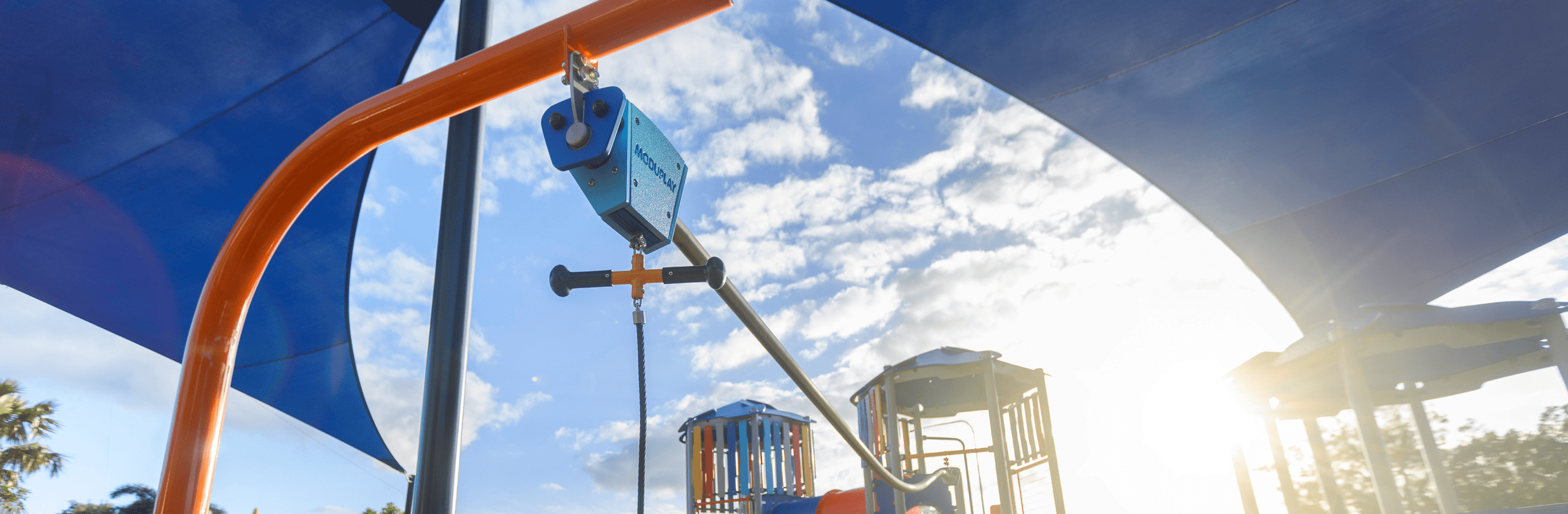
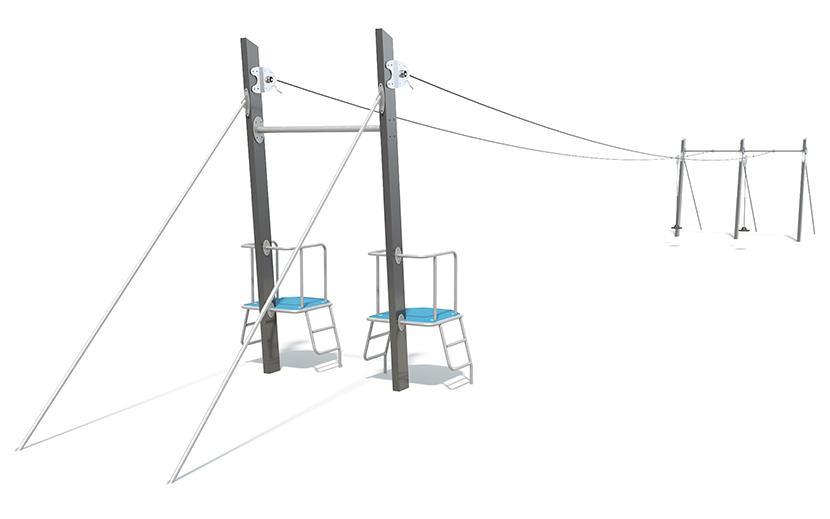
Launcher Frame
The Launcher features a contemporary straight support frame and is available in Single or Dual SkyRider combinations, with launch platforms, or no platforms for sloping sites. The Launcher Frame SkyRider is 25m in length. However, it can be customised to be up to 40m long.
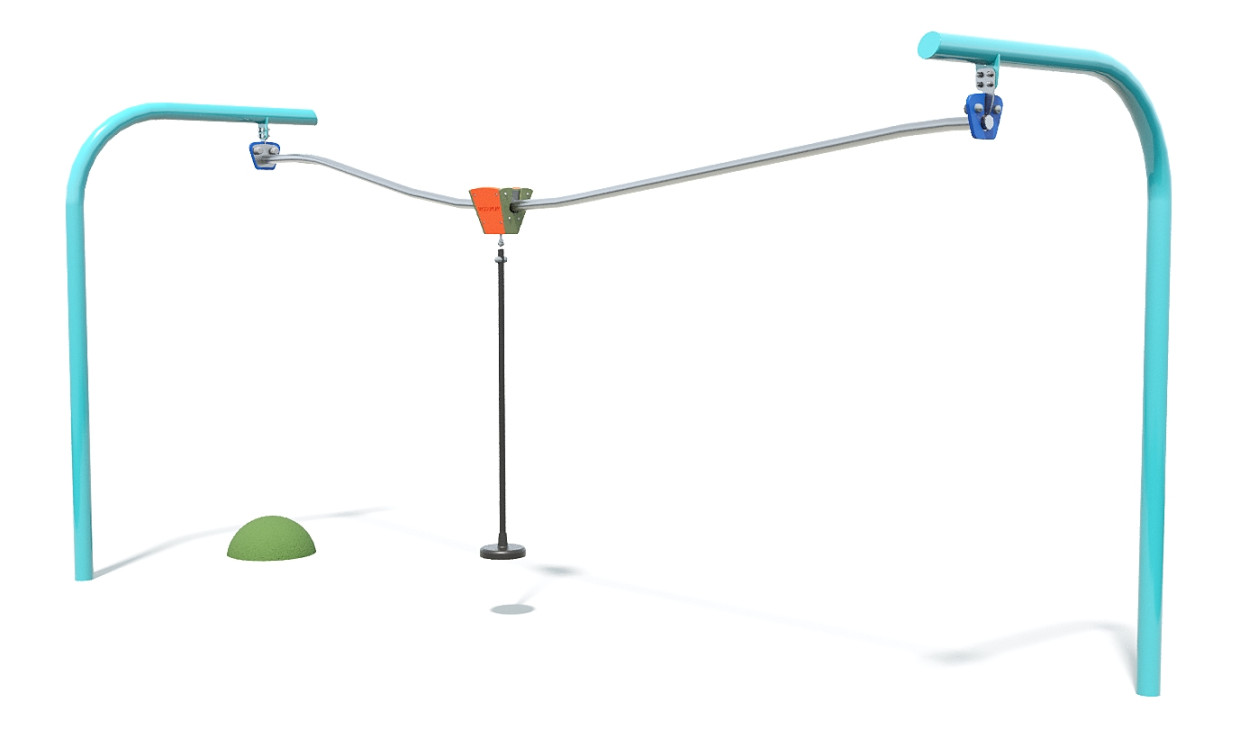
SkyRail Frame
Introducing the SkyRail Frame SkyRider – the latest addition to our thrilling SkyRider range! This single-rail ride delivers all the excitement of a traditional SkyRider, but with a smaller footprint and price tag, making it perfect for a wider range of projects.
Whether used as a standalone attraction or integrated with our Connect or SkyTower units, the SkyRail Frame SkyRider guarantees an unforgettable playground experience.
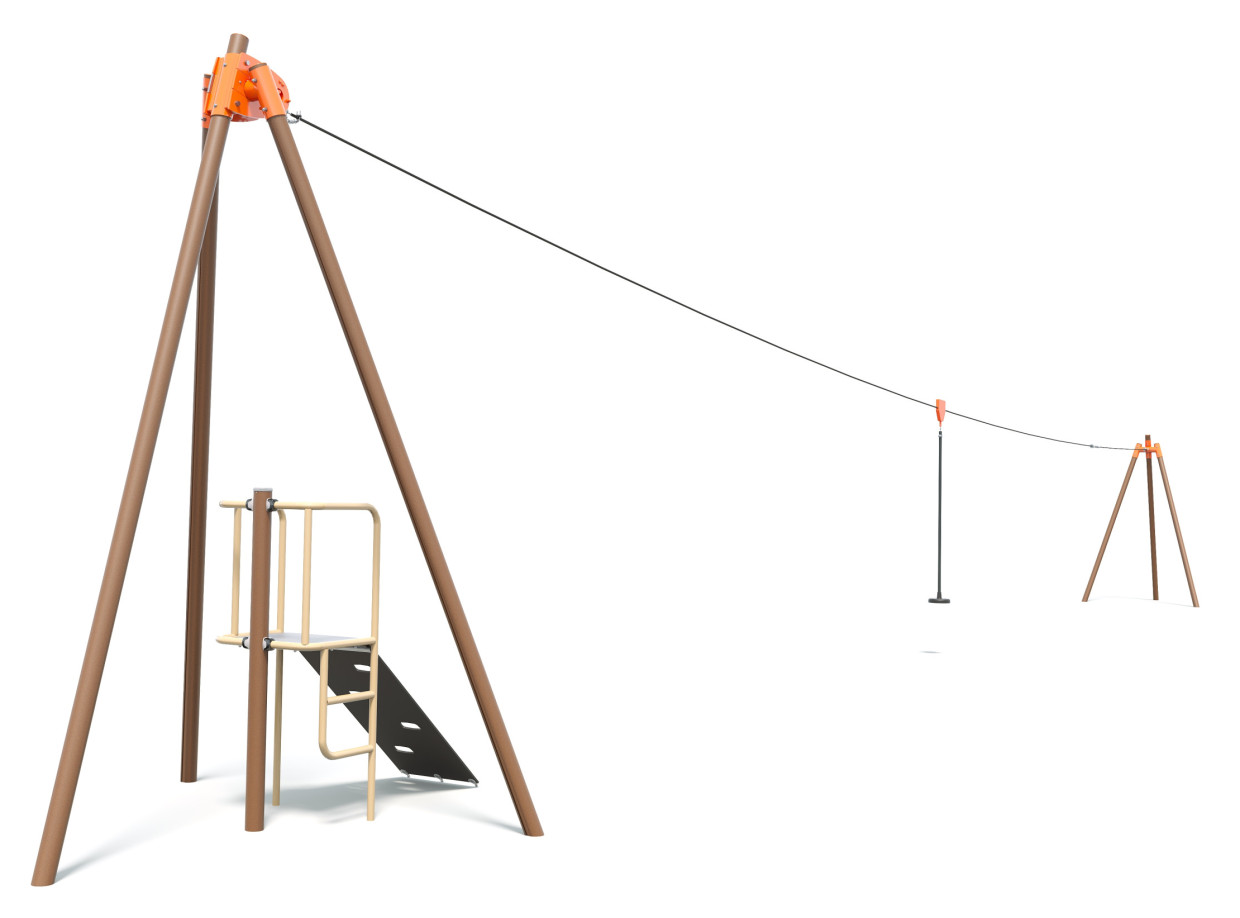
TeePee Frame
The TeePee frame offers a cost-effective and visually striking frame style to the SkyRider range, with an organic, teepee-inspired form that can either blend in or stand out.
Flying Fox & Playground Zipline Equipment
Moduplay’s SkyRider range includes commercial flying fox playground equipment and playground zipline systems designed for public outdoor spaces. These structures introduce fast, linear movement that attracts older children and confident riders while supporting coordination, timing, and shared use across open park layouts.
A playground zipline delivers momentum-based play that differs from climbing or balancing activities. Riders engage through grip, posture, body control, and awareness of others as they travel along a defined path. This form of play suits community parks and civic reserves where large-scale features encourage visible movement and active use.
SkyRider equipment is Australian-made and owned, with engineering focused on durability, predictable operation, and long-term performance. These systems appear most often within council playground equipment projects where supervision zones, material strength, and compliance guide selection.
Flying fox and zipline systems do not typically suit school playground equipment or childcare playground equipment. Design guidance for education settings often limits equipment that introduces forced movement and higher supervision demands.
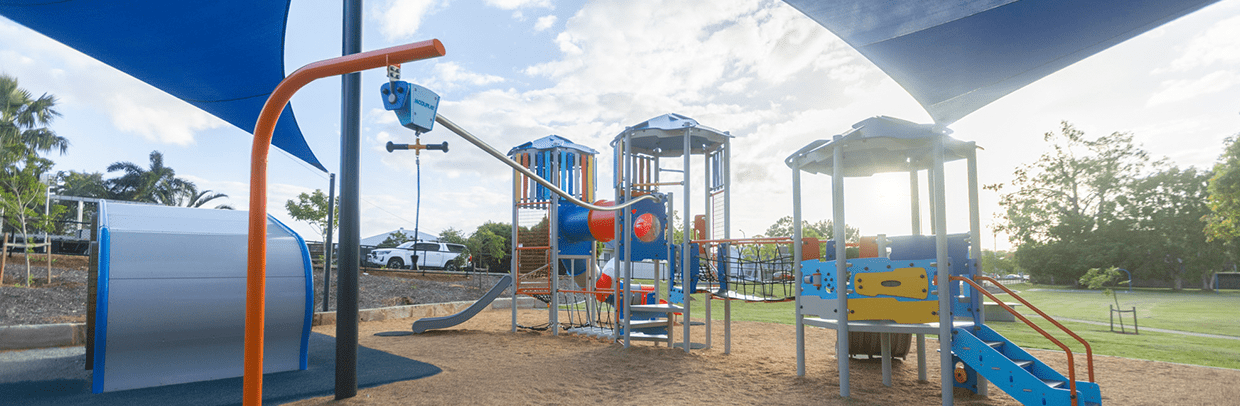
Flying Fox & Zipline Categories
SkyRider flying fox and zipline playground equipment is available in several formats to suit different site sizes and layout requirements.
Single Flying Fox
Linear flying fox systems designed for individual riders with clear start and finish zones.
Double Flying Fox
Parallel ride lines that allow two users to move at the same time, supporting shared activity and visual supervision.
SkyRail Zipline
Rail-based playground zipline systems that guide rider movement through engineered tracks.
Integrated SkyRail
SkyRail systems that connect directly to larger play structures, allowing zipline movement to form part of a broader play unit rather than a standalone feature.
Launcher Frame Systems
Frame-supported flying fox designs that create defined launch points and controlled landings.
TeePee Frame Zipline
A-frame structures suited to open parks where simple access and clear sightlines matter.Flying fox equipment requires clear separation from other movement-based play. Moduplay project designers plan layouts that manage speed, clearance, and supervision by positioning flying fox systems within dedicated zones. Many sites use defined junior and senior play areas, allowing flying fox activity to operate independently from swings, slides, rotation units, and spring play while supporting safe circulation and age-appropriate use across the playground.
Why Choose Moduplay Flying Fox & Zipline Equipment
SkyRider flying fox playground equipment supports high-energy play in public environments where durability, clarity of use, and supervision shape design decisions.
Safety and Compliance
SkyRider systems meet relevant Australian playground safety standards. Defined ride paths, controlled entry points, and consistent hardware performance support foreseeable risk management in public parks and community playgrounds.
Inclusive Play and Assisted Use
SkyRider designs include seating and harness options that allow assisted participation where site layout and supervision support this type of use.
Australian Made and Owned
Design, engineering, and manufacturing occur in Australia. Materials, fittings, and fabrication methods align with local conditions and public space requirements.
Weather Performance
Metal playground zipline components, cables, and frames handle UV exposure, rain, heat, and frequent public use.
Design and Supply
Moduplay manages design and engineering in house. Equipment supply and delivery are available. Installation is not included or offered nationally.
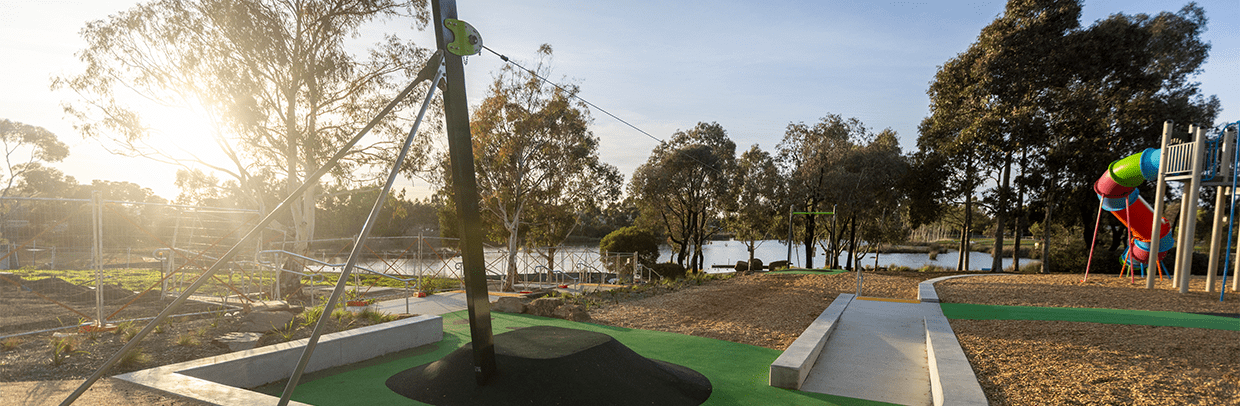
Types of Flying Fox & Zipline Equipment
Flying fox and playground zipline systems differ by layout, rider flow, and spatial requirements. Each format suits specific park sizes, supervision models, and usage levels.
Single Flying Fox Systems
Single flying fox equipment provides a straight ride path with defined start and finish zones. This format suits linear park layouts and open reserves where clear sightlines support supervision. Single systems encourage turn-taking and predictable rider movement in public spaces.
Double Rider Flying Fox
Double flying fox systems place two ride lines side by side. Councils often select this option for busy community parks where shared use reduces wait times and increases throughput. Parallel movement also improves visibility for supervisors monitoring rider entry and exit points.
SkyRail Zipline Systems
SkyRail playground zipline equipment uses a fixed rail rather than a cable. Rail guidance controls speed and direction, supporting consistent operation in high-use public environments. This format suits sites that prioritise predictable rider behaviour and long-term durability.
Frame-Based Flying Fox Systems
Launcher and TeePee frame designs create structured launch and landing areas. These systems suit sites where ground conditions, access paths, or visual boundaries shape layout decisions. Frame-based formats help define rider flow and queue positioning in community parks.Flying fox and zipline equipment often appears alongside other movement-focused play such as swings, slides, spinpoint rotation units, or spring play. Grouping different motion types helps balance activity across a site without repeating similar movement patterns.
How to Choose the Right Flying Fox & Zipline Equipment
Selecting flying fox playground equipment starts with understanding how the space functions.
Consider the intended users and supervision model. Flying fox systems suit older children and confident riders who can follow instructions and manage speed.
Review available space and ride length. Longer runs require generous clear zones, while compact systems suit smaller reserves.
Assess how zipline playground equipment fits alongside other large-scale elements rather than repeating similar movement styles.
Plan surfacing, access, and circulation to support clear entry points and predictable queuing.Flying fox systems appear most often in council playground equipment projects designed for community use rather than education settings.
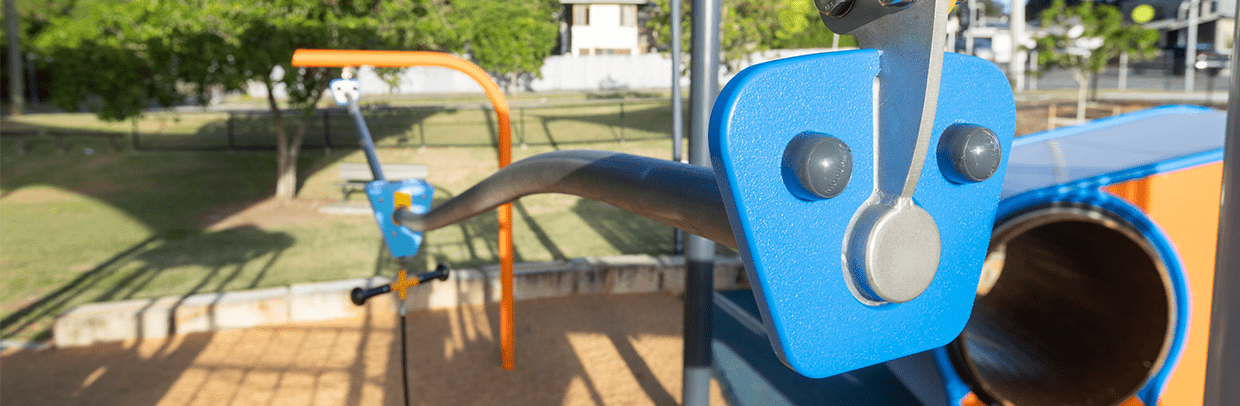
Inspire Adventure with Moduplay SkyRiders
SkyRider flying fox and playground zipline equipment reflects Moduplay’s experience delivering commercial play systems across Australia. Each system moves through design, engineering, and manufacturing under established quality processes that support long-term public use.
These systems appear in community parks, civic spaces, and regional playgrounds where dynamic movement creates a strong focal point.
Frequently Asked Questions
Flying fox playground equipment uses a cable or rail system that allows riders to travel between two points using gravity and momentum.
Playground zipline equipment provides linear movement along a defined track or cable, supporting grip, balance, and body control.
Yes. SkyRider flying fox and zipline equipment meets relevant Australian playground safety standards for public and commercial use.
Flying fox systems typically suit older children and confident riders who have developed coordination and spatial awareness.
These systems appear most often in council-managed parks, regional playgrounds, and community open spaces.
Materials and components handle UV exposure, rain, heat, and frequent public use in Australian conditions.

 One login across our websites