Council Grants and Community Infrastructure Funding: Plan Your Park Project
Explore community infrastructure funding for parks, playgrounds and recreation. Check grant pathways, see Anzac Park and prepare your project brief.
Planning a new play space often starts with two practical questions. What will the playground cost and how will you fund it?
Playground costs can vary significantly according to equipment, site conditions, surfacing, freight and the wider project scope. Once you understand the likely cost, you can start looking at playground funding through grants, school or council budgets, fundraising, sponsorships and community contributions.
Separating these two parts of the process makes planning much easier. First, establish what the project is likely to cost. Then create a funding plan that matches the amount you need to raise.
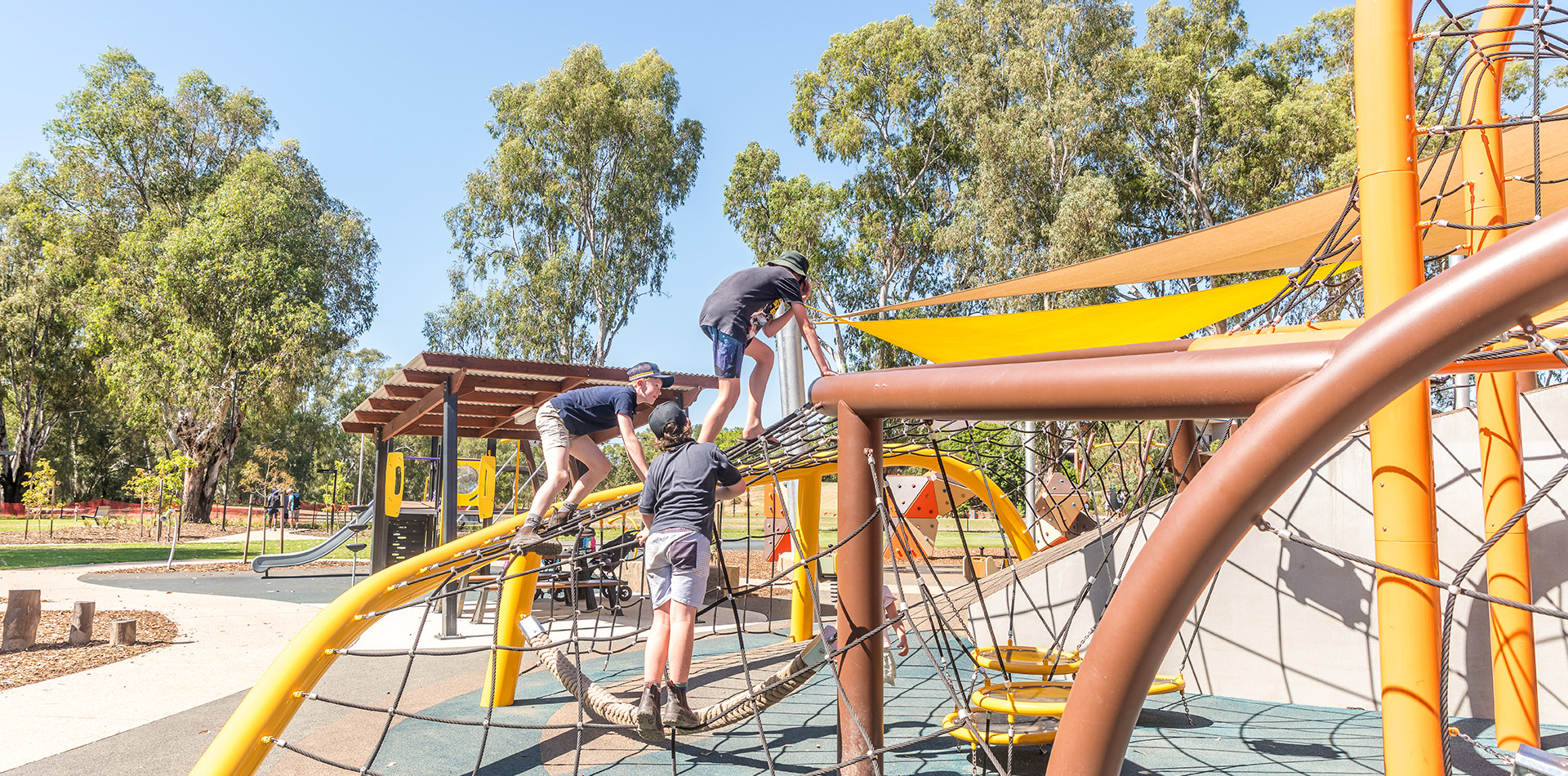
Commercial playground projects vary significantly in scale.
A commercial playground can cost from $25,000 to $50,000 plus GST for compact playground equipment. A complete public playground commonly costs from $50,000 to more than $500,000 plus GST. Major destination playgrounds can exceed $1 million.
The range is wide because people use the word playground to mean different things. One budget may cover the equipment only. Another may need to cover delivery, installation, playground surfacing, civil works, shade, fencing, paths, landscaping and certification.
For project-specific planning, start with your available budget rather than selecting equipment first.
The equipment represents one major cost, but it rarely represents the whole project.
Your final playground cost may include the following.
Site conditions can have a major effect on the budget. A clear, level site will generally require less preparation than a sloping site that needs excavation or drainage work.
Material selection also affects pricing. Larger structures, specialist finishes and equipment for coastal environments can increase the initial investment.
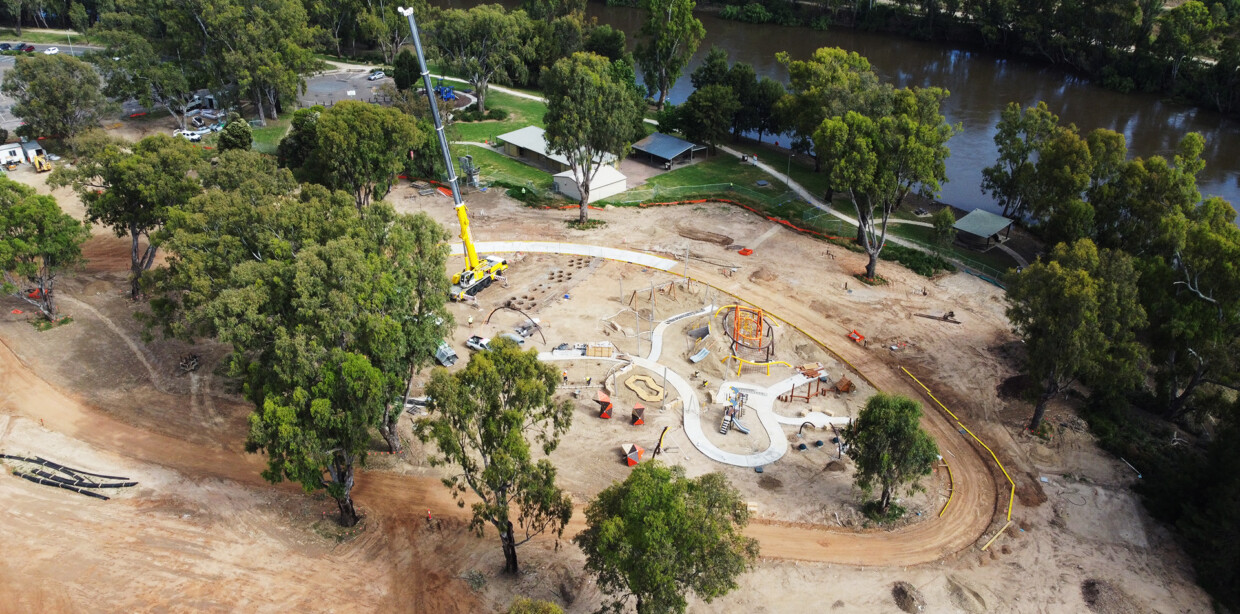
Before applying for grants or asking the community to contribute, establish exactly what you want to fund.
Define the intended users, project objectives, site and approximate scope. Work out which elements need funding now and which could form part of a later stage.
A clear project scope also makes grant and sponsorship applications stronger. Funding bodies generally want to know what the money will pay for, who will benefit and how the project will improve the community or facility.
The playground project planning guide can help you organise those decisions before developing the funding strategy.
Funding for playgrounds can come from several sources. Many successful projects use more than one.
Government grants can support community facilities, recreation infrastructure, inclusive spaces and capital works. Eligibility varies according to the program. Some grants accept applications from councils, schools or P&C associations. Others restrict applications to incorporated community organisations or specific geographic areas.
Council contributions may support playground upgrades on council land or community projects that align with an existing parks, recreation or capital works program. Ask the relevant council about planned upgrades and available community funding before developing a separate proposal.
P&C and P&F fundraising can provide schools with a flexible source of playground funding. Schools can combine fundraising income with grants, sponsorships or an allocation from the school budget.
Community fundraising can involve local events, business sponsorships, donations and partnerships with community organisations. A clear target works better than a general request for money. Tell supporters how much the project needs and what their contribution will help fund.
The right funding mix depends on the organisation, location and total playground cost.
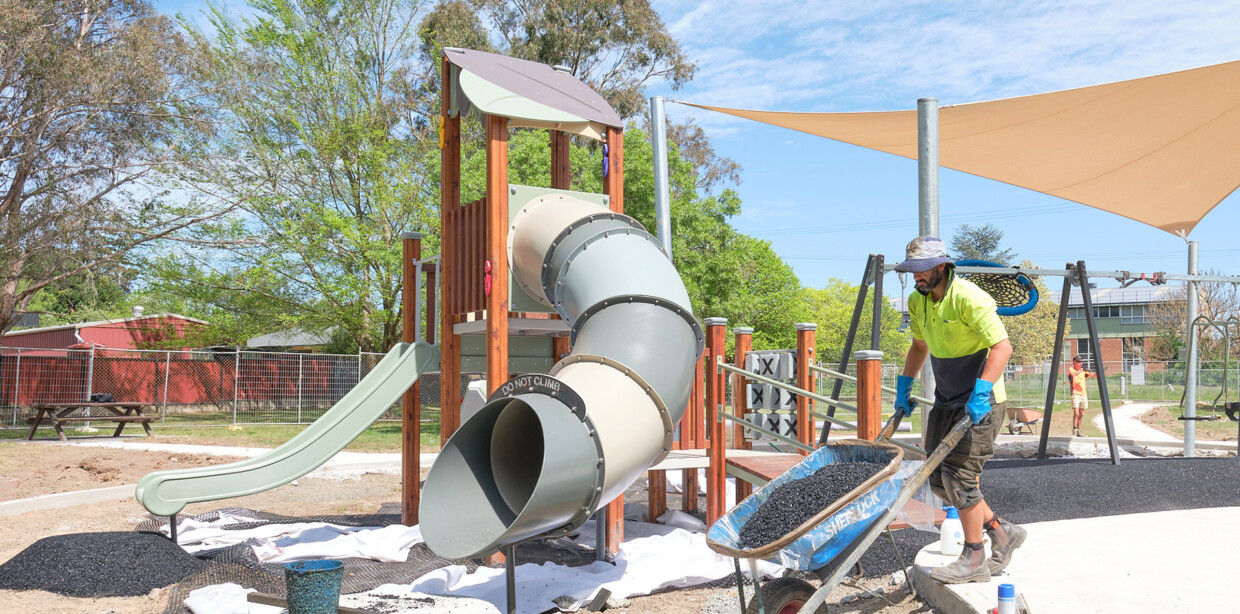
Grant rounds change frequently, so check the official program page before preparing an application.
The Community Grants Hub provides access to Australian Government grant opportunities and links applicants to GrantConnect.
It does not guarantee a specific playground grant at any given time. Schools, councils, community organisations and not-for-profits can use the service to monitor relevant infrastructure, community and participation programs as they open.
The previous page displayed this address incorrectly as communitygrants,gov.au. The correct address uses a full stop.
The NSW Government’s Community Building Partnership supports local community organisations and councils through small infrastructure funding.
The 2026 round offered grants from $10,000 to $100,000. Eligible applicants included incorporated associations, NSW councils, registered P&C associations and several types of not-for-profit organisations. Capital works and fixed infrastructure formed part of the eligible project categories. The 2026 application round has closed, but organisations can monitor the program for future rounds.
The NSW Government’s Infrastructure Grants program provides funding for community infrastructure, including sport and recreation facilities.
For the 2026 to 2027 financial year, the government allocated $12.75 million across two rounds, with grants of up to $300,000. The NSW Government specifically listed children’s playgrounds among examples of projects that have received funding. Applicants should check the current round and eligibility requirements before relying on the program for a project budget.
The NSW Government launched the Better Open Spaces program in 2026 to support councils upgrading parks, sports fields and other public spaces.
The program provides $40 million across two rounds. Round 1 allowed eligible councils to seek grants between $150,000 and $2 million, with matched funding required. Eligible park projects can include play spaces, fitness areas, tracks, picnic facilities and other public open-space improvements. Round 1 closed in August 2026, so councils should check the official program page for information about the next round.
South Australia’s Community Recreation and Sport Facilities Program supports eligible organisations developing or improving active recreation and sport infrastructure.
The 2026 to 2027 program allows eligible applicants to request between $5,000 and $750,000. Projects need to demonstrate community need, accurate costs and the ability to manage future maintenance. Organisations considering playground or active recreation components should confirm that their proposed works meet the current program guidelines before applying.
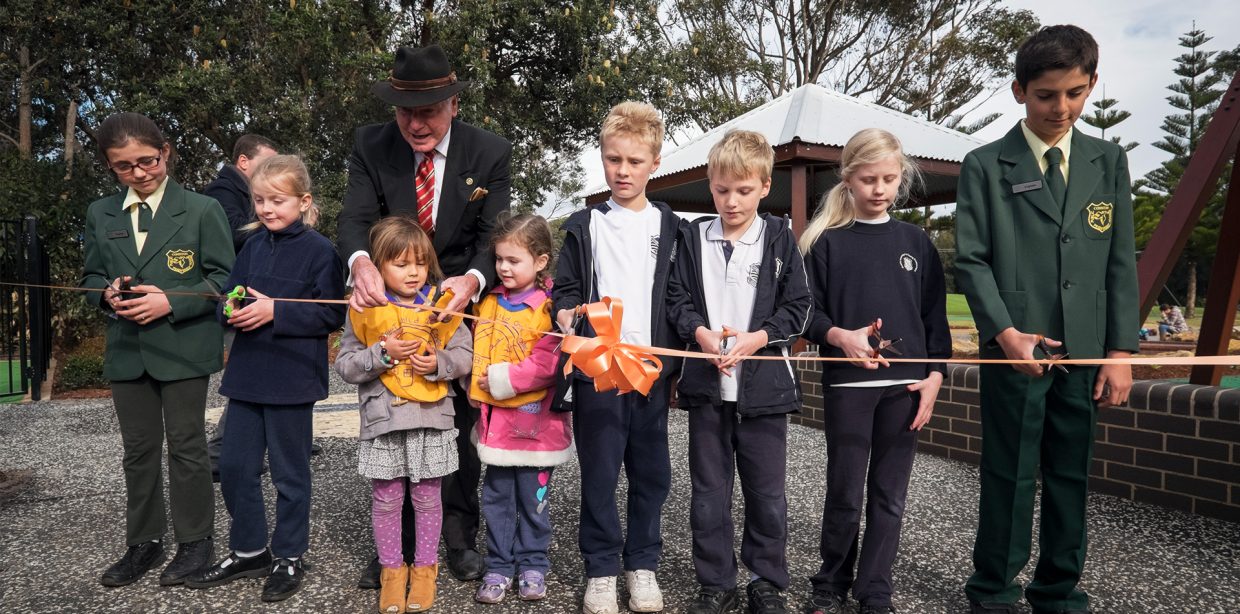
Grants can provide significant support, but many playground projects still need other sources of funding.
Start by identifying people who can contribute useful skills, contacts or influence to the project.
Your group could include
Give people clear responsibilities. One person might research grants while another handles local sponsorships. Someone else may coordinate fundraising events or communicate project updates.
A smaller organised group will usually make better progress than a large group without defined responsibilities.
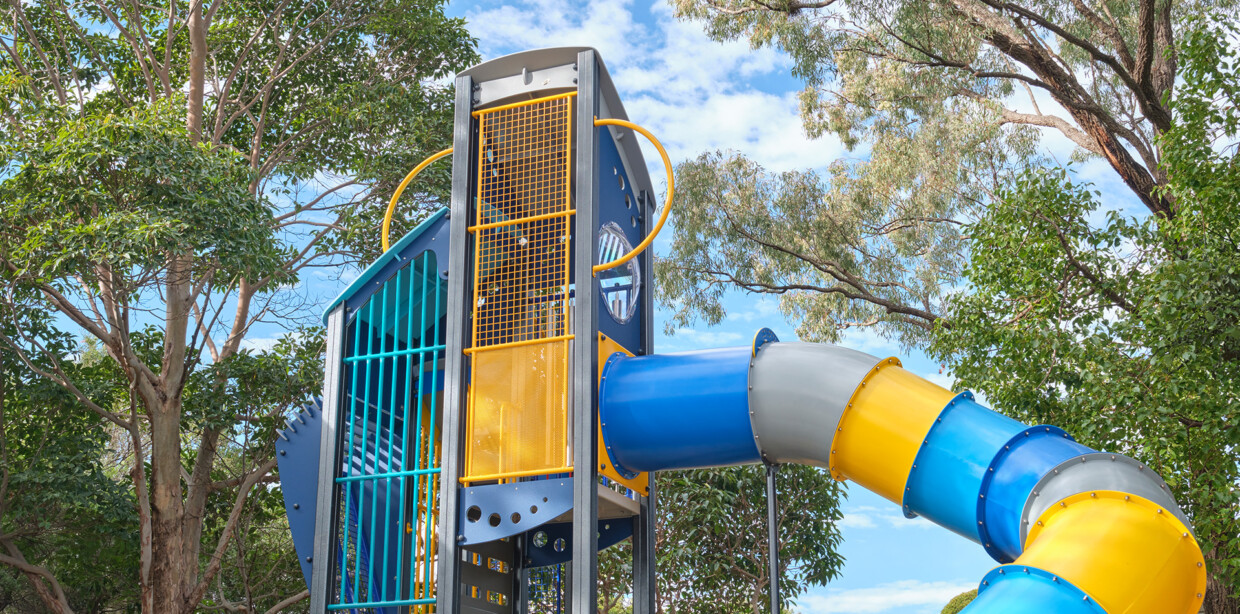
A specific target makes fundraising easier to manage.
Instead of saying the project needs money for a new playground, break the goal into measurable parts. You may need a defined amount for equipment, another amount for surfacing and a separate amount for site works.
This also creates opportunities to fund the project in stages.
For example, grant funding might cover a major play structure while P&C fundraising supports sensory equipment or additional play elements. A local sponsor may contribute towards another defined part of the project.
Keep confirmed and potential funding separate in your budget. A grant application does not become available project funding until the funding body approves it.
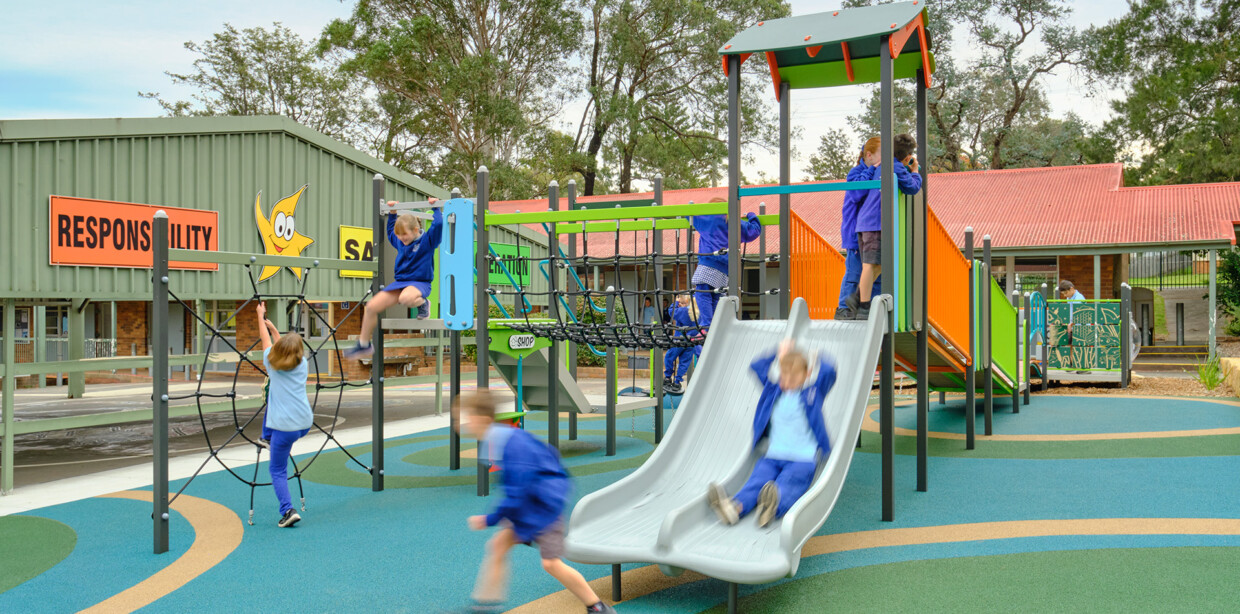
Grant programs differ, but most funding bodies need clear evidence that the project addresses a genuine need.
Prepare the key information before an appropriate round opens.
Your documents may include
Early design work can strengthen the application because it gives assessors something concrete to evaluate. A playground design guide can help project teams define the equipment, layout and user requirements before seeking formal quotations.
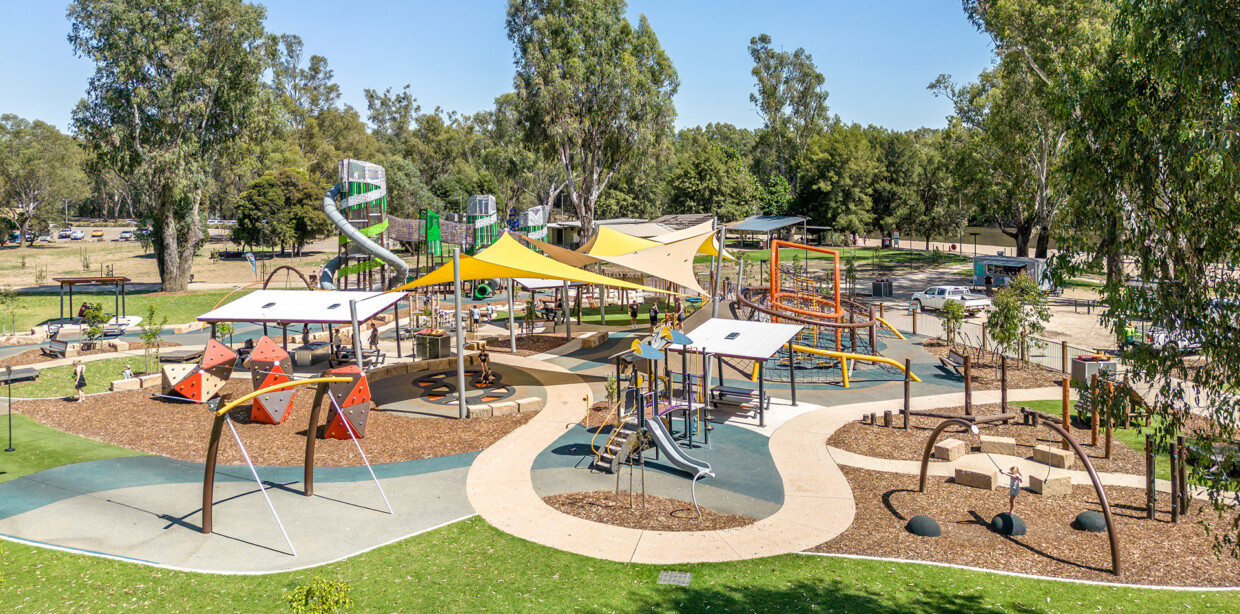
Funding applications often work to fixed opening and closing dates.
Keep a simple calendar that records potential grants, eligibility requirements, opening dates, closing dates and expected decision periods. Allow enough time to gather quotations, approvals and supporting documents before submission.
Grant programs also change from one round to the next. A program that funded playground infrastructure last year may change its priorities or eligibility criteria in a later round.
Always read the current guidelines before committing a grant amount to the project budget.
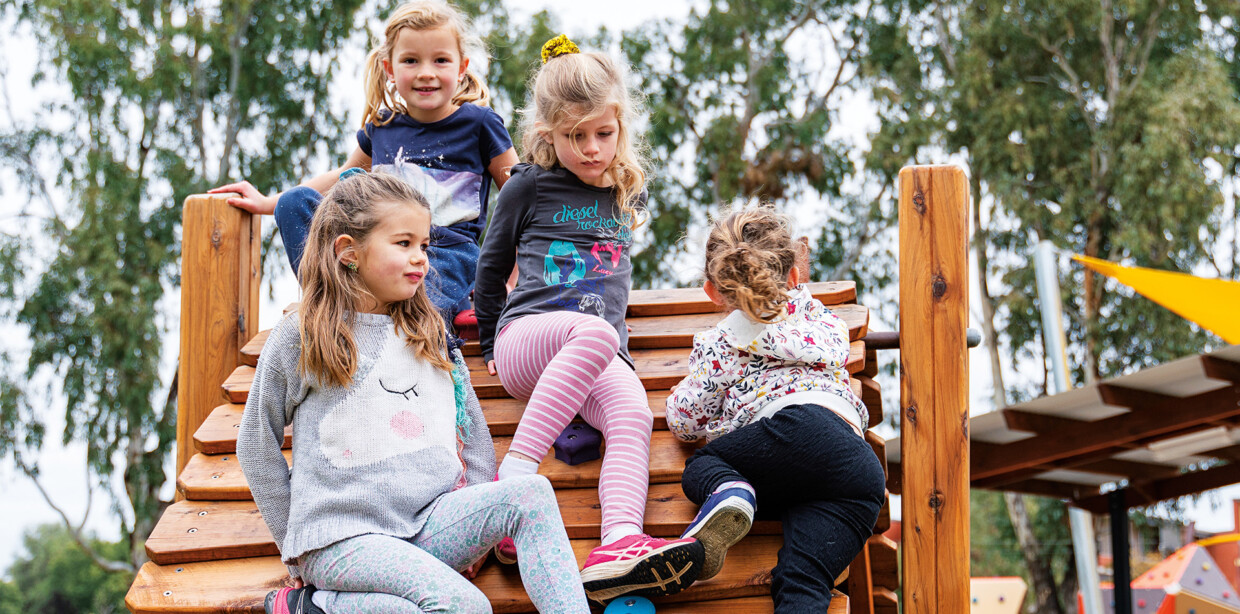
One funding source may not cover the entire playground cost.
A school might combine P&C fundraising, a grant and school capital funds. A community organisation could use sponsorship alongside a government grant. A council may combine its own capital allocation with state funding.
Check the conditions attached to each source. Some grant programs require co-contributions. Others restrict what applicants can count as an eligible expense.
Keep accurate records throughout the project so you can show where funds came from and how the organisation spent them.
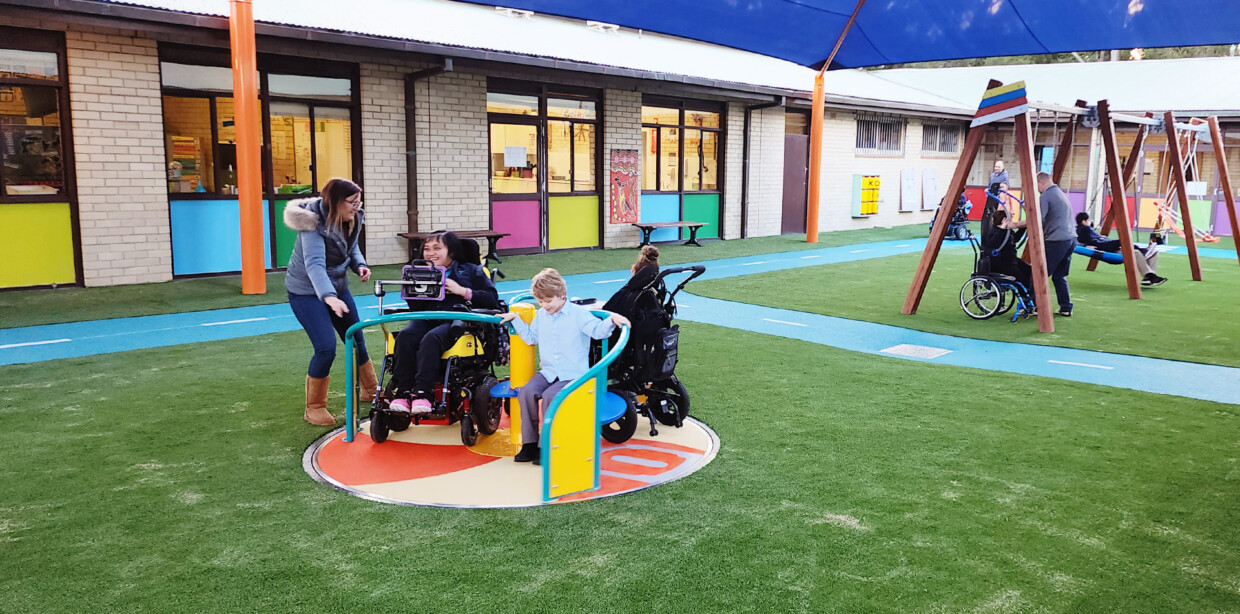
Understanding playground costs gives your organisation a realistic target. A clear playground funding strategy then identifies how you can reach it through grants, internal budgets, community support and other contributions.
Start by defining the project and establishing a realistic budget. From there, monitor relevant grant programs, organise your fundraising team and prepare the documentation you will need when a suitable funding opportunity opens.
Get design inspiration, business tips and new product alerts straight to your inbox with our Moduplay Newsletter, the Playground Press once a month.
Just Launched

The world of Moduplay has just been unlocked. One login across the Moduplay Group, helping you find what you need faster than ever.
 One login across our websites
Pricing on the Moduplay and Kaebel Leisure websites
Resource downloads
Build your own designs on Playfigurator
More coming soon!
Approval criteria applies. UrbanFiT & Playground Parts SSO experience launching soon.
Before You Continue
Register for a Moduplay account to see pricing on 500+ Australian Made products, and build your quote in seconds.
Pricing on 500+ Australian Made products
One login for the Moduplay Group websites
Build your own designs on Playfigurator
Enter your email to sign in or create an account.